
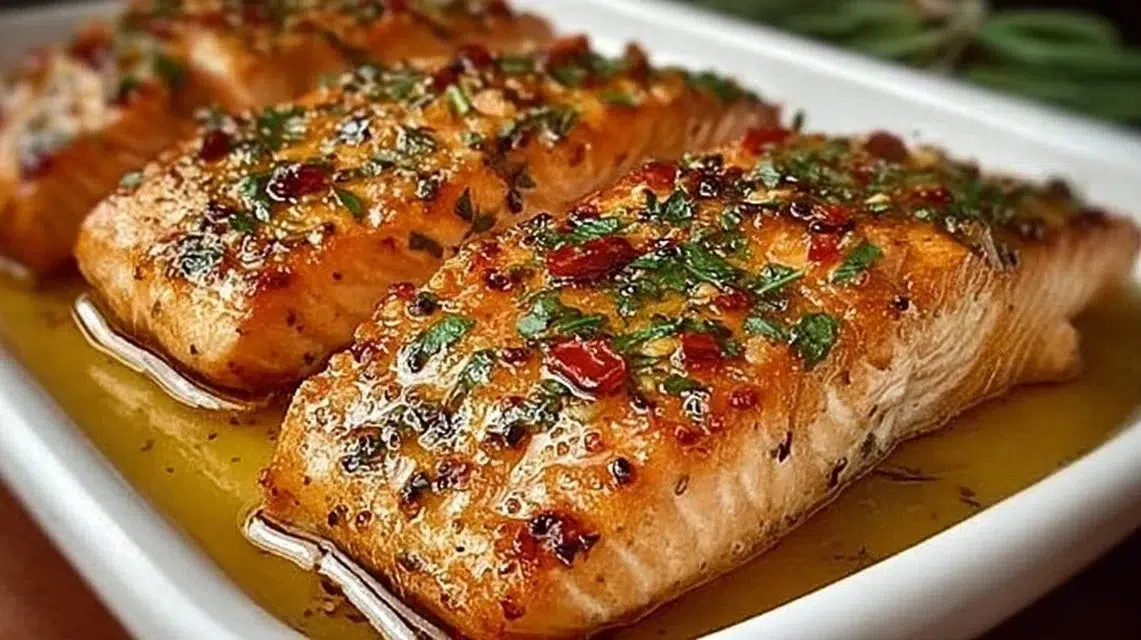
This baked salmon is moist, bright, and simple. The fish flakes easily, with a lightly crisp top from a little olive oil and a fresh hit of garlic and lemon. Texture is tender and buttery if you don’t overcook it, and the fresh herbs add a clean finish. It’s an easy weeknight dinner that feels special enough for guests. Serve it with steamed vegetables or a scoop of rice for a complete plate. If you want a different cheese-forward take, try a baked Boursin twist with this recipe by visiting baked Boursin salmon for inspiration.
Why You’ll Love This Baked Salmon
- Hands-off: pop it in the oven at 400°F (200°C) and let the heat do the work.
- Fast: 12–15 minutes baking time keeps dinner quick.
- Clean flavors: garlic, lemon, and herbs let the salmon shine.
- Tender texture: the fish flakes easily when done right.
- Flexible sides: pairs with steamed vegetables or rice for easy meals.
- Healthy: olive oil and herbs add flavor without heavy sauces.
- Beginner-friendly: no special tools or techniques needed.
- Crowd-pleaser: familiar flavors that suit both kids and adults.
What Is Baked Salmon?
Baked salmon is a simple method of cooking salmon fillets in the oven. You brush the fish with olive oil, season with garlic, lemon, salt, pepper, and fresh herbs, then bake until it flakes easily. The taste is mild, slightly sweet, and lemon-fresh, with a tender, flaky texture. This method is low-effort and consistent, making it a go-to for weeknight dinners, casual family meals, or light weekend lunches. It feels homey and healthy, without heavy sauces masking the fish.
Ingredients for Baked Salmon
Main Ingredients
- salmon fillets
- olive oil
- garlic (minced)
- lemon juice
- salt
- pepper
- fresh herbs (such as dill or parsley)
Optional Sides
- vegetables (optional, for side)
- rice (optional, for side)
Ingredient Notes (Substitutions, Healthy Swaps)
- Salmon fillets: Any salmon works — wild or farmed, center-cut or tail. Thicker fillets will take a minute or two longer to bake.
- Olive oil: Use extra virgin olive oil for flavor or a neutral oil (canola, grapeseed) for a lighter taste.
- Garlic: Fresh minced garlic gives the best flavor. If you only have garlic powder, use about 1/4 to 1/2 teaspoon per fillet.
- Lemon juice: Freshly squeezed is best. Bottled lemon juice can be used in a pinch, but reduce amount slightly to avoid a processed tang.
- Salt and pepper: Kosher salt seasons more gently; table salt is saltier by volume. Taste and adjust.
- Fresh herbs: Dill and parsley are classic. You can also use chives, tarragon, or a small amount of basil. Dried herbs may be used but use less (about one-third of fresh volume).
- Vegetables and rice: Steam, roast, or sauté vegetables. For a lower-carb option, serve with cauliflower rice or a large green salad.
Step-by-Step Instructions
Step 1 – Preheat the oven
Preheat the oven to 400°F (200°C). Line a baking sheet with foil or parchment for easier cleanup, or use a light layer of oil on the pan so the fish doesn’t stick.
Visual cue: The oven should be fully heated before the fish goes in.
Step 2 – Prepare the salmon
Place the salmon fillets skin-side down on the baking sheet. Drizzle each fillet with olive oil so the surface is lightly coated. This helps with browning and keeps the fish moist.
Step 3 – Season the fillets
Sprinkle minced garlic evenly over the top of each fillet. Squeeze lemon juice over the fish, then season with salt and pepper. Finish with fresh herbs like dill or parsley scattered on top. Make sure the seasonings cover the surface but avoid piling too much on one spot.
Step 4 – Bake the salmon
Bake in the preheated oven for 12–15 minutes, depending on fillet thickness. The salmon is done when it flakes easily with a fork and the center is opaque throughout.
Pro cue: For medium doneness, aim for an internal temperature of about 125–130°F (52–54°C); if you prefer fully cooked, 140°F (60°C) is a safe target.
Step 5 – Rest and serve
Let the salmon rest for 2 minutes after removing from the oven. Serve with steamed vegetables or rice, as desired. A small extra squeeze of lemon right before serving brightens the dish.
Visual cue: Resting helps redistribute juices and keeps the fish moist.
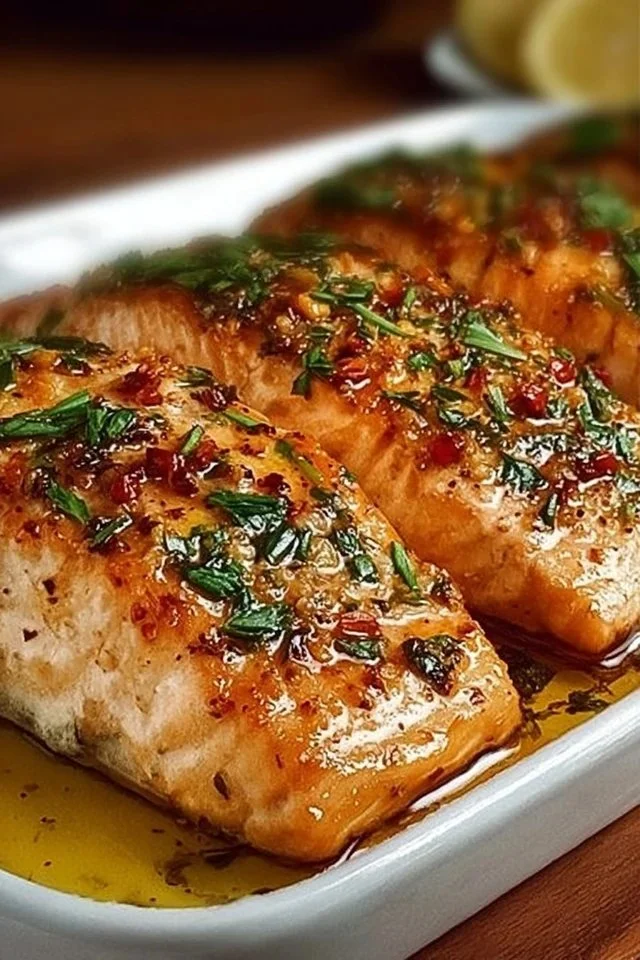
Pro Tips for Success
- Dry the fillets with paper towels before oiling to help the seasoning stick and to improve surface browning.
- Use room-temperature salmon if possible; it cooks more evenly than straight-from-the-fridge fillets.
- Keep an eye on thickness: thicker fillets need the full 15 minutes or a touch longer. Thin fillets may finish closer to 10 minutes.
- Don’t overcrowd the pan; give each fillet a little space so heat circulates.
- Mince garlic finely so it cooks quickly and distributes flavor evenly.
- Add herbs after baking for a brighter, fresher finish, or add some before for a baked-herb flavor. Both work; they just taste a bit different.
- Use a reliable instant-read thermometer to check doneness without guessing.
Flavor Variations
- Optional Lemon-Herb Butter: Mix a small pat of softened butter with chopped herbs and a bit of lemon zest, and dollop on the hot salmon right after baking.
- Optional Honey-Mustard Glaze: Whisk a little honey and Dijon mustard with lemon juice and brush over the fillets before baking for a sweet-tangy finish.
- Optional Garlic-Butter Crust: Mix minced garlic with a bit of olive oil and panko, press on top of the salmon, and bake for a textured crust.
- Optional Citrus Mix: Use half lemon juice and half orange or lime juice for a different bright flavor.
- Optional Herbed Yogurt Drizzle: Stir chopped herbs into plain yogurt and drizzle on the salmon for a cool contrast (serve on the side if you want a lighter sauce).
- Optional Spicy Kick: Add a pinch of red pepper flakes or a light drizzle of sriracha before baking for heat.
Serving Suggestions
- Classic: Serve with steamed asparagus, green beans, or broccoli and a scoop of rice.
- Simple plate: Salmon fillet, lemon wedge, and a green salad dressed with olive oil and vinegar.
- Family-style: Place several fillets on a large platter with roasted vegetables and lemon halves for squeezing.
- Meal prep: Pair with cooked rice and steamed mixed vegetables in containers for lunches.
- Weekend brunch: Serve flaked salmon over toasted bread with a soft scrambled egg and herbs.
- Light dinner: Serve on top of a bowl of mixed greens with a simple lemon vinaigrette.
Make-Ahead, Storage & Reheating
- Make-ahead: You can mix the garlic, lemon juice, salt, pepper, and herbs and store the mix in the fridge up to 1 day before cooking. Keep the salmon separate until ready to bake.
- Fridge storage: Cooked salmon will keep in an airtight container in the refrigerator for 3–4 days. Store with a paper towel to absorb excess moisture.
- Reheating: Reheat gently in a 300°F (150°C) oven for 8–10 minutes, or until warm. You can also reheat in a skillet over medium-low heat with a splash of water or oil and a lid to steam gently. Avoid high heat or the fish will dry out.
- Texture change: Refrigerated cooked salmon will firm up and tighten; reheating gently restores some tenderness but it won’t be exactly the same as fresh from the oven.
Storage and Freezing Instructions
- Freezing cooked salmon: You can freeze cooked salmon, but the texture may be slightly drier after thawing. Wrap tightly in plastic wrap and place in a freezer bag with as much air removed as possible. Freeze up to 2–3 months.
- Freezing raw fillets: Raw salmon freezes very well. Wrap each fillet tightly and freeze for up to 3 months. Thaw in the refrigerator overnight before baking.
- If you prefer not to freeze: Cook only what you plan to eat in 1–2 days and refrigerate leftovers instead to preserve the best texture.
Nutrition Facts (Per Serving)
Calories | Protein | Carbs | Fat | Fiber | Sodium
—|—:|—:|—:|—:|—:
~350 kcal | ~30 g | ~4 g | ~22 g | ~1 g | ~350 mg
Estimates vary by brands and portions.
FAQ About Baked Salmon
Q: How do I know when salmon is done?
A: It flakes easily with a fork and becomes opaque through the center. An instant-read thermometer should read about 125–130°F (52–54°C) for medium.
Q: What if my salmon is very thick?
A: Increase baking time by a few minutes and check internal temperature. Thicker fillets can take 15–20 minutes.
Q: Can I use frozen salmon?
A: Thaw fully in the fridge before baking for even cooking. Cooking from frozen will take longer and may cook unevenly.
Q: How much salt should I use?
A: Season lightly and adjust to taste. Use about 1/4 to 1/2 teaspoon kosher salt per fillet as a starting point, more for larger fillets.
Q: My salmon is watery after baking. Why?
A: Overcooking or frozen fish that wasn’t fully thawed can release water. Dry fillets before seasoning and avoid overbaking.
Q: Can I skip the oil?
A: You can, but olive oil helps lock in moisture and promotes gentle browning. If you skip oil, expect a slightly drier surface.
Notes
- Finish with a small pat of butter or a little extra lemon for a richer finish.
- Use the skin-side down position to help the fillet hold together while baking and serving.
- For clean serving, lift the fillet with a thin spatula or fish spatula to keep it intact.
- If serving guests, keep a small bowl of lemon wedges and extra herbs on the side for fresh flavor.
- Taste one small flake before plating to check seasoning and add salt or lemon if needed.
Troubleshooting
- Bland flavor: Increase lemon and salt slightly, or add more fresh herbs on top.
- Overcooked, dry salmon: Reduce oven time and check earlier; use an instant-read thermometer to avoid guessing.
- Undercooked center: Return to oven in short bursts (2–3 minutes) and check again. Cover with foil if the surface is done but center needs time.
- Burning garlic: If garlic browns too quickly, mix it with olive oil and spread thinly, or add garlic halfway through baking.
- Sticking to the pan: Use parchment or a light oil coating on the baking sheet and avoid moving the fillet until it has set.
Final Thoughts
This baked salmon recipe is straightforward, tasty, and forgiving. The simple seasoning lets the fish shine, and the short bake time makes it an easy weeknight winner. With small swaps or simple add-ons you can make it fit many meals and moods.
Conclusion
For another take on baked salmon with a rich, creamy twist, check this Best, Easy Healthy Baked Salmon Recipe – Creme De La Crumb for ideas and inspiration.
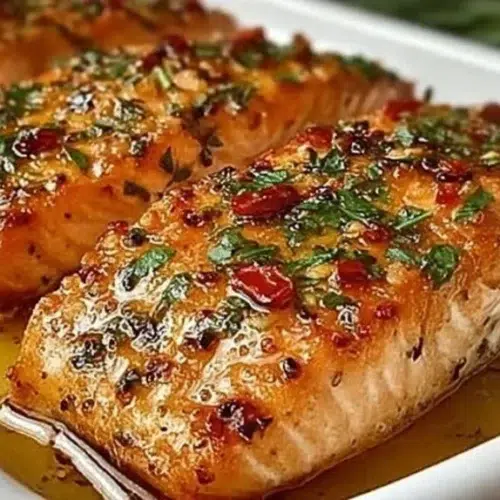
Baked Salmon
Ingredients
Main Ingredients
- 4 pieces salmon fillets Any salmon works; thicker fillets may take longer to bake.
- 2 tablespoons olive oil Use extra virgin for flavor or a neutral oil for a lighter taste.
- 3 cloves garlic (minced) Fresh minced garlic gives the best flavor.
- 2 tablespoons lemon juice Freshly squeezed is best; adjust if using bottled.
- 1 teaspoon salt Taste and adjust, kosher salt is gentler.
- 1/2 teaspoon pepper Adjust to your taste.
- 1/4 cup fresh herbs (such as dill or parsley) Can also use chives, tarragon or basil.
Optional Sides
- 4 servings vegetables (optional, for side) Steam, roast, or sauté as desired.
- 4 servings rice (optional, for side) Can use cauliflower rice for a lower-carb option.
Instructions
Preparation
- Preheat the oven to 400°F (200°C). Line a baking sheet with foil or parchment for easier cleanup.
- Place the salmon fillets skin-side down on the baking sheet. Drizzle each fillet with olive oil.
- Sprinkle minced garlic evenly over the fillet surfaces. Squeeze lemon juice over, then season with salt, pepper, and fresh herbs.
Baking
- Bake in the preheated oven for 12–15 minutes, until the salmon flakes easily and is opaque in the center.
- Let the salmon rest for 2 minutes after removing from the oven.
Serving
- Serve with steamed vegetables or rice, adding a squeeze of lemon just before serving.