
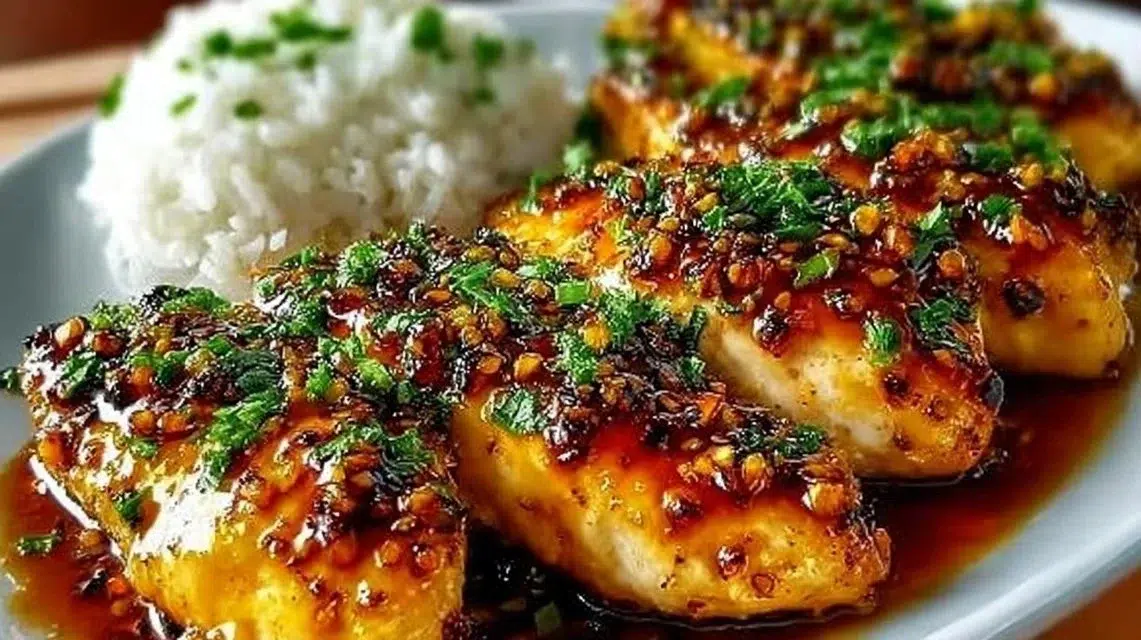
Honey garlic chicken breasts are a perfect mix of sweet, savory, and sticky goodness. The honey gives a glossy, caramelized finish while the garlic and soy sauce add depth and a lightly salty bite. The chicken stays tender inside with a slightly caramelized crust outside when cooked just right. This recipe is simple and fast—mince a few cloves, whisk a short marinade, and cook in a hot skillet. Serve it over steamed rice or with crisp vegetables for a complete, weeknight-friendly meal. For more tips and notes, check the Recipes at Homes honey garlic chicken breasts page which complements this guide.
Why You’ll Love This Honey Garlic Chicken Breasts
- Quick to make: active time is short and total time fits a busy night.
- Big flavor from a few pantry staples: honey, garlic, and soy sauce do the work.
- Tender chicken with a sticky, caramelized exterior.
- Flexible: pairs well with rice, noodles, or vegetables.
- Minimal cleanup: one bowl for the marinade and one skillet for cooking.
- Kid-friendly and crowd-pleasing — simple tastes most people enjoy.
- Easy to scale up for more servings or double batches for leftovers.
- Works for meal prep: you can make extra and reheat without losing much flavor.
What Is Honey Garlic Chicken Breasts?
Honey garlic chicken breasts is a simple dish of boneless, skinless chicken breasts coated in a sweet and savory sauce made from honey, garlic, and soy sauce, then pan-cooked until caramelized. The taste is a balance of sweet honey and savory soy, with a warm garlic punch and a glossy finish. Texture-wise, the outside gets a light caramel crust while the inside remains juicy when cooked to the right temperature. It feels like comfort food but is light enough for weeknight meals. The cooking method is stovetop skillet searing, which gives fast caramelization and a homey vibe. It is ideal for quick family dinners, simple date nights, or anytime you want a satisfying, no-fuss meal.
Ingredients for Honey Garlic Chicken Breasts
Main Ingredients
- 4 boneless, skinless chicken breasts
- Salt and pepper to taste
For the Sauce & Marinade
- 1/2 cup honey
- 3 cloves garlic, minced
- 2 tablespoons soy sauce
- 1 tablespoon olive oil
To Serve
- Cooked rice or steamed vegetables for serving
Ingredient Notes (Substitutions, Healthy Swaps)
- Honey: You can use maple syrup as an optional substitute for a different sweet note, but honey gives the classic texture and sheen. (Optional)
- Garlic: Fresh garlic gives the best flavor. If using garlic powder in a pinch, use about 1 teaspoon (optional), but fresh is recommended.
- Soy sauce: Low-sodium soy sauce is a good swap if you watch salt. If you need gluten-free, use tamari.
- Olive oil: Any neutral oil (vegetable, avocado) works if you prefer a higher smoke point.
- Chicken breasts: If your breasts are very thick, pound them to even thickness for even cooking. You can also use boneless chicken thighs for a juicier, fattier option (optional).
- Serving swaps: Serve over cauliflower rice or with zucchini noodles for a lower-carb plate (optional).
Step-by-Step Instructions
Step 1 – Make the honey garlic marinade
In a medium bowl, mix 1/2 cup honey, 3 cloves minced garlic, 2 tablespoons soy sauce, 1 tablespoon olive oil, and salt and pepper to taste until combined.
Visual cue: The mixture should look glossy and pourable, not too thin.
Step 2 – Coat and marinate the chicken
Coat the 4 chicken breasts well with the honey garlic mixture. Let them marinate for at least 30 minutes at room temperature or up to 2 hours in the refrigerator.
Visual cue: The marinade will coat the chicken and cling to the surface; excess can be left on to caramelize.
Step 3 – Heat the skillet
Preheat a skillet over medium heat until hot. Add a small drizzle of oil if the pan is dry. Place the marinated chicken breasts in the skillet, leaving space between each piece.
Visual cue: The pan should sizzle when the chicken hits it.
Step 4 – Cook the chicken
Cook for about 6–7 minutes on the first side without moving, until the bottom is golden and caramelized. Flip and cook another 6–7 minutes on the other side, spooning sauce over the top as it cooks.
Pro cue: Cook time varies by thickness. Use a meat thermometer to check for 165°F (74°C) in the thickest part.
Step 5 – Finish and rest
When the chicken reaches 165°F, remove it from the skillet and let it rest 5 minutes. Spoon any pan sauce over the chicken before serving.
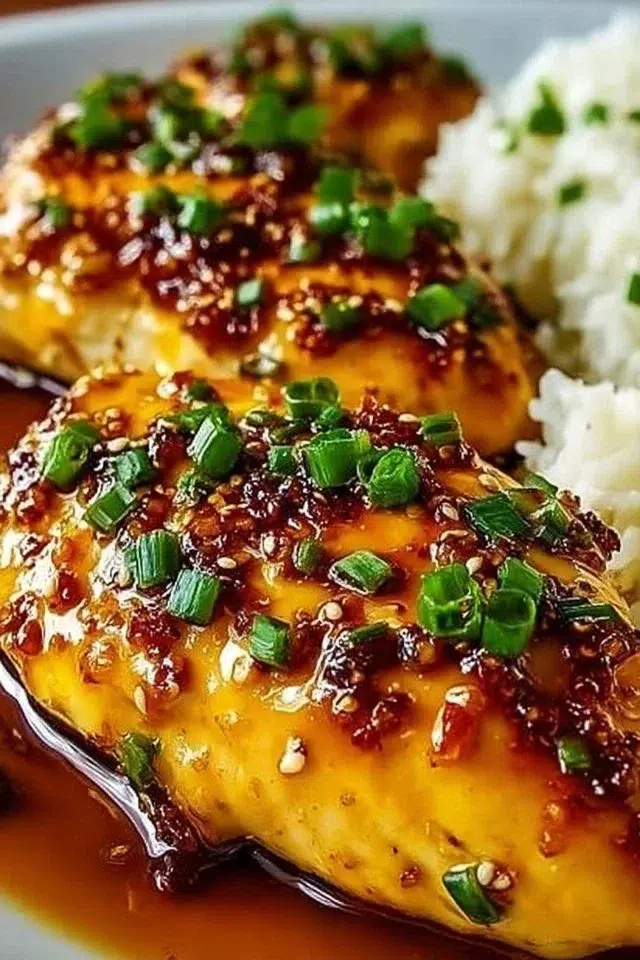
Visual cue: The sauce in the pan should be slightly reduced and glossy.
Pro Tips for Success
- Even thickness: Pound thick breasts to an even thickness for uniform cooking and to hit the recommended cook time.
- Room temperature: Let chicken sit at room temp for 15–20 minutes before cooking to reduce cold centers.
- Hot pan: A properly heated skillet gives the best caramelization. Medium to medium-high works best.
- Don’t crowd the pan: Cook in batches if needed so chicken sears instead of steams.
- Thermometer use: A digital instant-read thermometer gives reliable doneness—165°F (74°C) is safe and juicy.
- Control caramelization: If sauce browns too fast, reduce heat slightly and lower until sauce thickens gently.
- Rest before slicing: Resting keeps juices in the meat and prevents dryness.
- Taste and adjust: Taste the pan sauce at the end and add a small pinch of salt or a splash of soy if it needs depth.
Flavor Variations
- Sesame-Ginger (optional): Add 1 teaspoon grated fresh ginger and 1 teaspoon toasted sesame oil to the marinade. Finish with sesame seeds.
- Spicy Honey Garlic (optional): Stir 1/2 teaspoon red pepper flakes into the marinade or add sriracha to taste.
- Citrus Bright (optional): Add 1 tablespoon lemon or orange juice to the marinade for a brighter finish. Add zest for extra aromatics.
- Herb Garlic (optional): Mix in finely chopped fresh parsley or cilantro after cooking to freshen the dish.
- Sticky Balsamic Twist (optional): Replace 2 tablespoons of honey with 2 tablespoons balsamic vinegar for a tangy-sweet glaze.
- Low-Sugar (optional): Use half the honey and add a splash of water and a pinch of xanthan gum to maintain thickness, or replace honey with a sugar-free syrup made for cooking.
Serving Suggestions
- Classic: Serve over fluffy white or brown rice and spoon pan sauce on top.
- Veg-focused: Plate with steamed broccoli, green beans, or roasted carrots for a balanced meal.
- Bowls: Make a bowl with rice, sliced chicken, steamed veggies, and a sprinkle of green onions.
- Weeknight dinner: Pair with a simple green salad and crusty bread to soak up any sauce.
- Meal prep: Slice and portion with vegetables and rice in meal containers for quick lunches.
- Party platter: Slice and arrange the breasts on a platter with lemon wedges and toothpicks for casual entertaining.
- Comfort plate: Serve alongside mashed potatoes to absorb the honey garlic sauce.
Make-Ahead, Storage & Reheating
- Make-ahead: Marinade the chicken and refrigerate up to 2 hours before cooking. You can also fully cook chicken and cool before storing.
- Fridge storage: Store cooked chicken in an airtight container for up to 3–4 days.
- Reheating best practice: Reheat gently in a skillet over low-medium heat with a splash of water or broth to loosen the sauce. Cover the pan to create steam and keep the meat moist.
- Microwave reheating: Use short bursts at medium power and cover to retain moisture. Flip once and check temperature.
- Texture changes: Reheated chicken may be slightly drier than fresh. Slicing before reheating and adding a little sauce or broth helps restore juiciness.
Storage and Freezing Instructions
- Freezing cooked chicken: You can freeze fully cooked chicken breasts in an airtight, freezer-safe container for up to 2 months. Include some sauce to prevent drying.
- Freezing raw, marinated chicken: Place marinated breasts in a freezer bag and freeze up to 2 months. Thaw in the fridge overnight before cooking and cook immediately.
- Thawing: Thaw frozen chicken in the refrigerator, not at room temperature, for food safety.
- If freezing is not recommended: If you prefer very fresh texture, freezing raw or cooked chicken can slightly change texture; in that case, make smaller portions and plan to eat within 3–4 days instead of freezing.
Nutrition Facts (Per Serving)
Calories | Protein | Carbs | Fat | Fiber | Sodium
— | —: | —: | —: | —: | —:
About 330 kcal | 31 g | 42 g | 7 g | 0 g | 570 mg
Estimates vary by brands and portions.
FAQ About Honey Garlic Chicken Breasts
Q: Why is my sauce too thin?
A: The sauce will thin if the pan is not hot enough to reduce it. Raise heat slightly and simmer until it thickens to a glaze.
Q: How do I know when chicken is done?
A: Use an instant-read thermometer. The internal temperature should reach 165°F (74°C). Rest 5 minutes before slicing.
Q: Can I use frozen chicken breasts?
A: Thaw fully in the fridge before marinating and cooking. Cooking from frozen will not allow even marination or proper caramelization.
Q: Why did my garlic taste bitter?
A: Garlic can burn fast. Keep the heat moderate and add minced garlic into the marinade rather than frying raw garlic alone.
Q: Can I make this spicy?
A: Yes. Add red pepper flakes, cayenne, or sriracha to taste—mix into the marinade for even heat.
Q: Can I bake instead of skillet-cook?
A: Yes. Bake at 400°F (200°C) for 20–25 minutes, then broil briefly to caramelize the sauce, but monitor to avoid burning.
Notes
- Slice across the grain for the best bite and easier eating.
- Add a small pat of butter at the end for richer mouthfeel if desired.
- Garnish with chopped green onions or parsley for color and freshness.
- If you like extra sauce, double the marinade but reserve half before adding raw chicken to use as finishing sauce.
- For even browning, pat chicken dry before coating with marinade, then apply sauce and proceed.
Troubleshooting
- Bland flavor: Increase the garlic or soy sauce slightly, or finish with a small splash of lemon juice to brighten.
- Overcooked chicken: Lower the heat and cook until thermometer reads 165°F, then remove immediately to rest.
- Burned sauce: Reduce heat if sauce becomes dark quickly; add a splash of water to loosen and prevent burning.
- Sticky mess in pan: Use medium heat and spoon sauce over chicken; if it sticks, deglaze with a tablespoon of water to lift bits.
- Uneven cooking: Pound thicker breasts to even thickness or slice them into cutlets for faster, uniform cooking.
- Sauce too sweet: Stir in a small splash of soy sauce or a pinch of salt to balance sweetness.
Final Thoughts
This honey garlic chicken breasts recipe is an easy, flavorful option that works for busy nights and simple meal prep. It uses a few common ingredients to produce a sticky, savory glaze and tender chicken, and it pairs well with many sides for flexible meals. Try the step-by-step method and small pro tips here to get reliable, tasty results each time.
Conclusion
For more inspiration and a similar take on honey garlic chicken, see this helpful guide at Honey Garlic Chicken Breast – RecipeTin Eats.
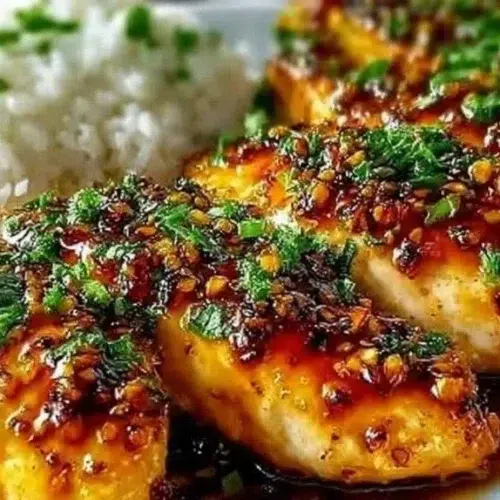
Honey Garlic Chicken Breasts
Ingredients
Main Ingredients
- 4 pieces boneless, skinless chicken breasts Pound to even thickness if very thick.
- Salt and pepper To taste.
For the Sauce & Marinade
- 1/2 cup honey Maple syrup can be used as a substitute.
- 3 cloves garlic, minced Fresh garlic is recommended.
- 2 tablespoons soy sauce Low-sodium for a healthier option, or tamari for gluten-free.
- 1 tablespoon olive oil Any neutral oil can work.
To Serve
- Cooked rice or steamed vegetables For serving.
Instructions
Preparation
- In a medium bowl, mix 1/2 cup honey, 3 cloves minced garlic, 2 tablespoons soy sauce, 1 tablespoon olive oil, and salt and pepper to taste until combined.
- Coat the 4 chicken breasts well with the honey garlic mixture. Let them marinate for at least 30 minutes at room temperature or up to 2 hours in the refrigerator.
Cooking
- Preheat a skillet over medium heat until hot. Add a small drizzle of oil if the pan is dry. Place the marinated chicken breasts in the skillet, leaving space between each piece.
- Cook for about 6–7 minutes on the first side until golden and caramelized. Flip and cook for another 6–7 minutes on the other side, spooning sauce over the top as it cooks.
- When the chicken reaches 165°F, remove it from the skillet and let it rest for 5 minutes.