
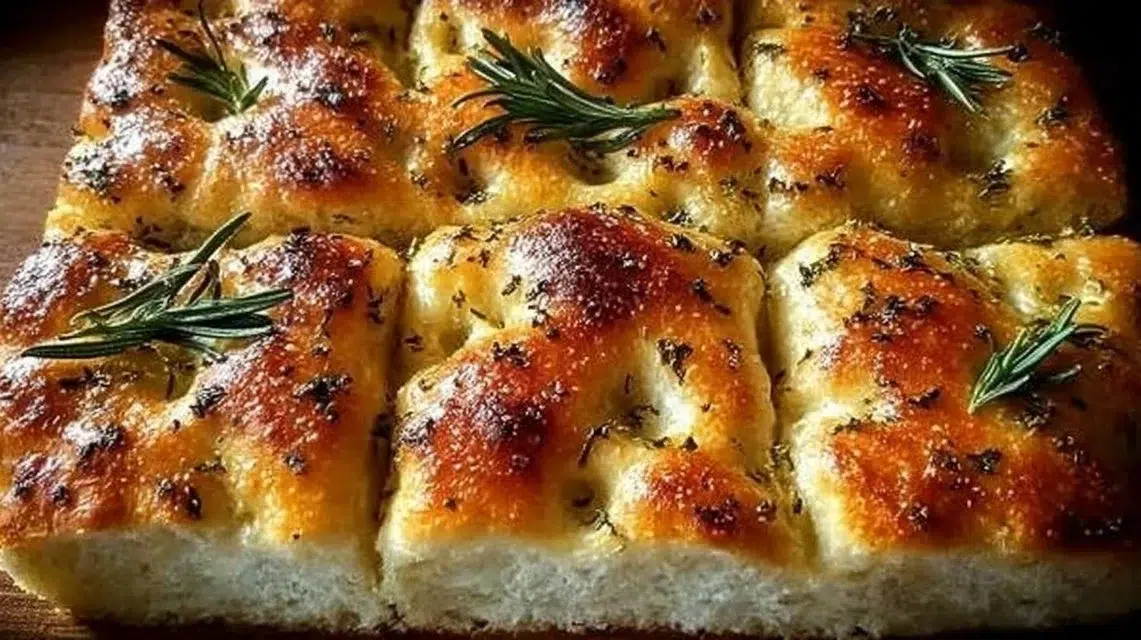
Homemade focaccia is a soft, olive-oil–kissed flatbread with a crisp bottom and a pillowy crumb that soaks up drips of oil and herbs. The taste is savory and lightly salted, with a toasty crust and bright rosemary notes from the simple topping. This version is easy: a single dough, two rises, and a quick bake that fits into a busy day. It’s perfect warm from the oven as a snack, for sandwiches, or alongside soup. If you enjoy homemade breads, try a moist cinnamon swirl banana bread for contrast—both are straightforward and comforting. Read on for clear steps, tips, and ways to make this focaccia your new go-to.
Why You’ll Love This Homemade Focaccia Bread
- Simple ingredients you likely already have in your pantry.
- Olive oil gives a rich, tender crumb and crisp, golden edges.
- Hands-on time is short; most of the work is an easy rise.
- Fresh rosemary adds bright, savory aroma with little effort.
- Flexible: finish plain or top with extra herbs and sea salt.
- Great for sandwiches, dipping, or as a side for dinner or brunch.
- Makes a large pan of bread that’s easy to portion for guests or leftovers.
- Rewarding: the oven scent and warm pull-apart texture make it feel special.
What Is Homemade Focaccia Bread?
Focaccia is an Italian flatbread made with yeast, olive oil, flour, and salt. This homemade version has a soft, open crumb inside and a slightly crunchy, golden exterior. You make it by mixing a sticky dough, letting it rise, pressing it into a pan, dimpleting the surface, and baking until golden. The flavor is simple and olive-forward, with rosemary adding an herbal lift. It’s a relaxed comfort food that works for weeknight dinners, weekend baking, or casual entertaining. Serve it warm with olive oil and balsamic, as a sandwich base, or alongside stews and salads.
Ingredients for Homemade Focaccia Bread
For the Base
- 4 cups bread flour (about 480 g)
- 2 tsp active dry yeast
- 2 tsp salt
For the Dough
- 1 1/2 cups warm water (about 360 ml)
- 1/4 cup olive oil (60 ml), plus more for drizzling
For the Topping
- 1 tbsp fresh rosemary, chopped (or lightly torn)
- Extra olive oil for drizzling
Ingredient Notes (Substitutions, Healthy Swaps)
- Bread flour: Keeps the structure and chew. You can use all-purpose flour instead (slightly softer crumb). If using AP, expect a slightly less chewy texture.
- Active dry yeast: If you only have instant yeast, use the same amount and add directly to flour—no proofing required. If using instant, reduce the warm water temperature slightly.
- Olive oil: Use a good-quality extra-virgin olive oil for flavor, or a lighter version if you want a milder taste. Do not substitute with butter unless you accept a different texture.
- Salt: You can reduce to 1 1/2 tsp for a lower sodium version, but do not cut entirely—salt controls yeast and flavor.
- Rosemary: Optional. Substitute with other herbs like thyme or oregano, or sprinkle with coarse sea salt and sliced garlic for a different profile.
Step-by-Step Instructions
Step 1 – Bloom the yeast and mix the wet ingredients
In a large bowl, pour 1 1/2 cups warm water (about 105–115°F / 40–46°C) and sprinkle 2 tsp active dry yeast over the surface. Let sit for 5 minutes until frothy. Stir in 1/4 cup olive oil and 2 tsp salt.
Visual cue: The surface should look bubbly and frothy after proofing the yeast.
Step 2 – Add the flour
Gradually add 4 cups bread flour to the wet mix, stirring with a spatula or wooden spoon until a sticky dough forms. Mix just until combined; the dough will be tacky but should pull away from the bowl.
Step 3 – Knead the dough
Turn the dough onto a floured surface and knead for about 10 minutes until smooth and elastic. Use a light dusting of flour to prevent sticking, but avoid adding too much so the dough stays soft.
Step 4 – First rise
Place the dough in a greased bowl, turning to coat the top with oil. Cover with a cloth and let rise in a warm area for about 2 hours or until doubled in size. This slow rise builds flavor and structure.
Step 5 – Shape and top
Preheat oven to 425°F (220°C). Punch down the dough, then spread it onto a greased baking sheet. Dimple the surface with your fingers, drizzle with extra olive oil, and sprinkle 1 tbsp fresh rosemary on top.
Step 6 – Final rise
Allow the dough to rise again for another 30 minutes while the oven finishes heating. This gives the focaccia its final airy lift.
Step 7 – Bake
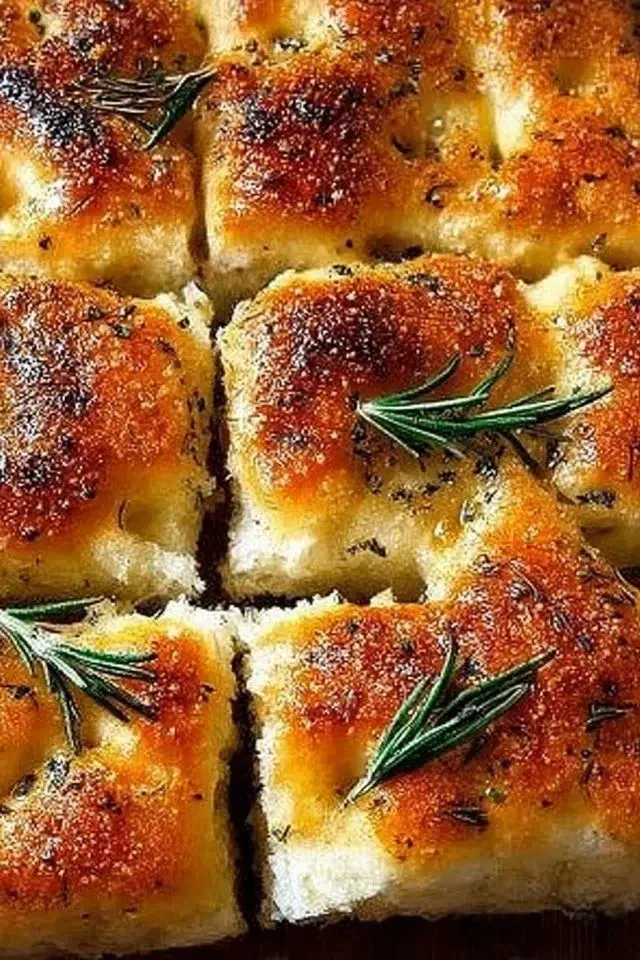
Bake for about 25 minutes until the top is golden brown and the bottom is crisp. Remove from oven and cool slightly before slicing.
Pro cue: A hollow sound when you tap the bottom and a deep golden color mean the focaccia is done.
Pro Tips for Success
- Use warm water (about 105–115°F / 40–46°C) to activate yeast without killing it.
- Measure flour by spooning into the cup and leveling, or weigh it for best results. Too much flour makes dense bread.
- Keep the dough tacky; a slightly sticky dough yields a lighter crumb.
- Dimple generously with your fingers to trap olive oil and create the classic focaccia texture.
- Let the first rise occur in a warm, draft-free spot; the dough should double.
- Don’t overbake—25 minutes at 425°F gives a crisp crust and soft inside. Adjust time by a few minutes depending on your oven.
- Rest the bread 5–10 minutes before cutting to prevent compressing the crumb.
- Use coarse sea salt on top just before or after baking for a crunchy, salty finish.
Flavor Variations
- OPTIONAL: Garlic and Herb — Mix 2 cloves minced garlic with the olive oil before drizzling and top with parsley.
- OPTIONAL: Cherry Tomato and Basil — Press halved cherry tomatoes into the dough before the final rise and scatter torn basil after baking.
- OPTIONAL: Caramelized Onion — Top with thinly sliced caramelized onions for sweet, savory depth (use sparingly to avoid sogginess).
- OPTIONAL: Olive and Rosemary — Add sliced Kalamata olives across the top with the rosemary for a briny punch.
- OPTIONAL: Cheese-Topped — Sprinkle shredded Parmesan or Pecorino in the last 5 minutes of baking for a light cheesy crust.
- OPTIONAL: Seeded Finish — After drizzling oil, sprinkle sesame or sunflower seeds for texture.
Serving Suggestions
- Serve warm with a shallow dish of extra-virgin olive oil and balsamic for dipping.
- Slice and use as a base for sandwiches—roasted vegetables or grilled chicken pair well.
- Tear and serve alongside soup or stew to soak up broth.
- Cut into squares and serve with a cheese board or antipasto platter.
- Use for bruschetta: toast slices and top with tomato, basil, and a drizzle of olive oil.
- Offer alongside salads for casual lunches or light dinners.
Make-Ahead, Storage & Reheating
- Make-ahead: You can prepare dough and complete the first rise, then tuck the covered bowl into the fridge overnight. Bring to room temp, shape, and proceed with step for final rise and bake.
- Refrigerator: Store cooled focaccia tightly wrapped or in an airtight container for up to 3 days. The crust will soften slightly in the fridge.
- Reheating: Warm in a 375°F (190°C) oven for 8–10 minutes to refresh crispness. For a quick fix, reheat a slice in a skillet over medium heat with a light drizzle of oil for 2–3 minutes per side.
- Texture note: Focaccia is best on day of baking; it softens over time but reheats well to regain some crispness.
Storage and Freezing Instructions
- To freeze: Cool completely, slice into portions, wrap tightly in plastic wrap and foil, or place in a freezer bag. Freeze up to 2 months.
- To thaw: Move to the refrigerator overnight or leave at room temperature for a few hours. Reheat in a 350°F (175°C) oven for 8–12 minutes to refresh.
- If you don’t want to freeze, store wrapped at room temp for 1–2 days or in the fridge up to 3 days. Freezing preserves texture and prevents waste; unfrozen leftovers will become dense after a couple of days.
Nutrition Facts (Per Serving)
Calories | Protein | Carbs | Fat | Fiber | Sodium
— | —: | —: | —: | —: | —:
187 | 4 g | 30 g | 4.6 g | 1.3 g | 383 mg
Estimates vary by brands and portions.
FAQ About Homemade Focaccia Bread
Q: My dough is too sticky. What should I do?
A: Lightly dust your hands and work surface with flour and knead gently. A sticky dough is normal; avoid adding large amounts of flour or the bread will be dense.Q: The focaccia is too thick after baking. How can I make it thinner?
A: Press the dough thinner on the baking sheet before the second rise. Use a slightly larger pan to spread the dough more thinly.Q: The inside is not cooked through.
A: Bake until the top is golden and the bottom sounds hollow when tapped. If needed, bake 3–5 minutes longer and check again.Q: Can I use instant yeast instead of active dry yeast?
A: Yes. Use the same amount and mix it directly with flour. You can skip the 5-minute proof if using instant yeast.Q: My focaccia tastes bland. How can I boost flavor?
A: Increase the olive oil drizzle, add a pinch of coarse sea salt on top, or add more fresh herbs like rosemary or garlic.Q: Can I make this gluten-free?
A: This exact recipe uses bread flour. For gluten-free, use a tested gluten-free flour blend and add xanthan gum if your blend lacks it; expect different texture and rise.
Notes
- Brush the dough edges with oil before the final rise to enhance browning.
- Use your fingertips, not knuckles, to dimple—this prevents overworking the dough.
- For a crisper bottom, bake on a preheated heavy baking sheet or pizza stone.
- Slightly press a few rosemary needles into the dough so they stay put while baking.
- Slice with a serrated knife to keep the crumb intact and avoid squashing.
Troubleshooting
- Problem: Dough fails to rise. Fix: Check yeast freshness and water temperature (too hot kills yeast; too cold does not activate it).
- Problem: Dense or heavy focaccia. Fix: Don’t add too much flour; knead until elastic and allow full rise.
- Problem: Burnt bottom while top is pale. Fix: Lower oven rack one level or reduce oven temp by 25°F and extend bake time slightly.
- Problem: Soggy middle after toppings. Fix: Use sparing wet toppings (like fresh tomatoes) or roast them first to remove excess moisture.
- Problem: Too salty. Fix: Reduce salt in dough next time or skip coarse salt on top; balance with a neutral oil.
Final Thoughts
This homemade focaccia is a simple, reliable bread with big flavor from minimal ingredients. It’s forgiving, flexible, and makes enough for family meals and guests. With just a little oil and rosemary, you get a bakery-style result at home.
Conclusion
For another easy herb focaccia approach and more inspiration, see Easy Focaccia Bread Recipe – Inspired Taste.
Homemade Focaccia Bread
Ingredients
For the Base
- 4 cups bread flour Can substitute with all-purpose flour but expect a softer crumb.
- 2 tsp active dry yeast For instant yeast, use the same amount and add directly to the flour.
- 2 tsp salt Can reduce to 1 1/2 tsp for lower sodium.
For the Dough
- 1.5 cups warm water Approx 105–115°F / 40–46°C.
- 1/4 cup olive oil Plus more for drizzling.
For the Topping
- 1 tbsp fresh rosemary Chopped or lightly torn.
- Extra olive oil For drizzling.
Instructions
Preparation
- In a large bowl, pour 1 1/2 cups warm water and sprinkle 2 tsp active dry yeast over the surface. Let sit for 5 minutes until frothy.
- Stir in 1/4 cup olive oil and 2 tsp salt.
- Gradually add 4 cups bread flour to the wet mix, stirring until a sticky dough forms.
- Turn the dough onto a floured surface and knead for about 10 minutes until smooth and elastic.
- Place the dough in a greased bowl, turning to coat and cover with a cloth. Let rise in a warm area for about 2 hours or until doubled in size.
Baking
- Preheat the oven to 425°F (220°C). Punch down the dough, spread onto a greased baking sheet, dimple the surface with your fingers, drizzle with extra olive oil, and sprinkle with fresh rosemary.
- Allow the dough to rise for another 30 minutes.
- Bake for about 25 minutes until the top is golden brown and the bottom is crisp.
- Cool slightly before slicing.