
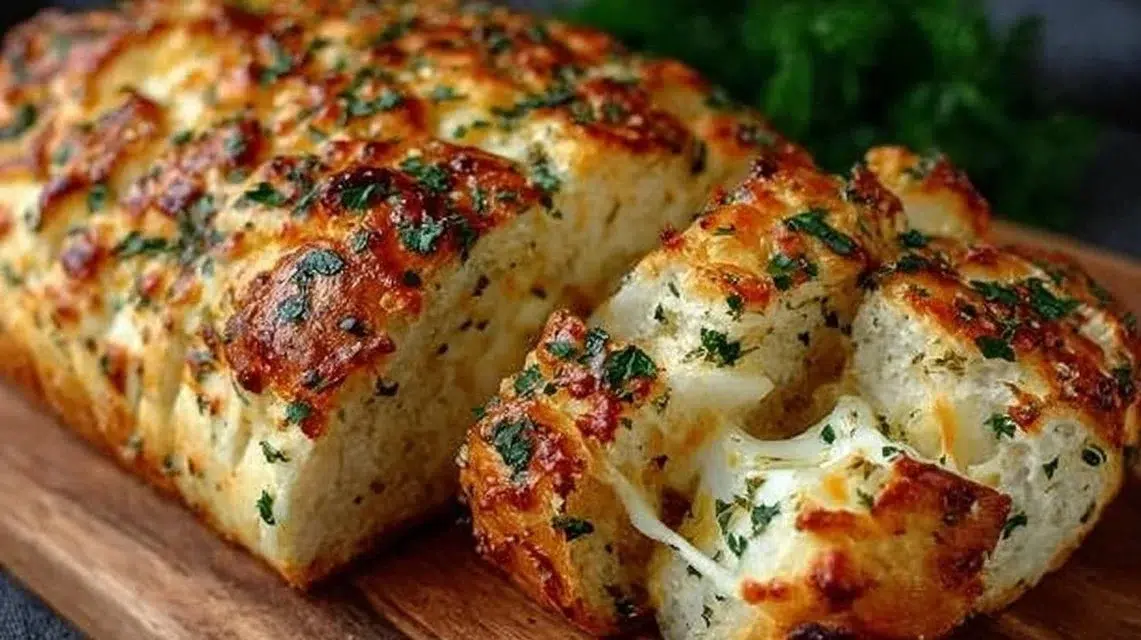
This Italian Herbs and Cheese Bread is soft inside with a crisp, golden crust and a rich, savory chew from two cheeses and classic Italian herbs. The mozzarella melts into the dough for pockets of gooeyness while the Parmesan adds a nutty, salty finish in every bite. It’s an easy yeast loaf to make at home — hands-on time is short, and most of the time is just waiting for the dough to rise. Serve warm with olive oil for dipping or slice for sandwiches; it makes great toast the next day. For a fast snack pairing, try it with an egg and cheese on toast like this air fryer egg and cheese toast.
Why You’ll Love This Italian Herbs and Cheese Bread
- Warm, cheesy pockets from shredded mozzarella in every slice.
- Deep umami and salty finish from grated Parmesan for real flavor impact.
- Aromatic dried Italian herbs give bright, savory notes with no fresh herbs needed.
- Simple, pantry-friendly ingredients you likely already have.
- Hands-off rising time lets you do other tasks while the dough develops.
- Crisp, golden crust thanks to the hot oven and steam pan method.
- Versatile: great as sandwich bread, a side for soup, or a party bread.
- Big-batch loaf feeds a family and freezes well for later.
What Is Italian Herbs and Cheese Bread?
Italian Herbs and Cheese Bread is a yeast-leavened loaf studded with mozzarella and Parmesan and flavored with a blend of dried Italian herbs. It tastes cheesy and savory, with a soft, springy crumb and a crunchy, golden crust. The cheeses give both melt and salt, while the herbs add rosemary/oregano-like notes depending on the blend. It’s baked in a hot oven with a pan of water to create steam, which helps a thin, crispy crust form quickly. The overall vibe is comforting and rustic — a perfect weeknight side, brunch bread, or casual gathering loaf.
Ingredients for Italian Herbs and Cheese Bread
For the Dough
- 4 cups all-purpose flour
- 1 packet (2¼ teaspoons) active dry yeast
- 1¾ cups warm water (about 110°F)
- 1 tablespoon salt
- 1 tablespoon sugar
- 2 tablespoons dried Italian herbs
- 1 cup shredded mozzarella cheese
- ½ cup grated Parmesan cheese
- Extra flour for dusting
Ingredient Notes (Substitutions, Healthy Swaps)
- Active dry yeast: Instant yeast can be used in the same amount; skip the activation wait and add it directly to dry ingredients, then add warm water.
- All-purpose flour: Bread flour will give a slightly chewier, higher rise. Use the same volume.
- Mozzarella: Use low-moisture mozzarella for less release of water into the dough. Fresh mozzarella will work but squeeze excess moisture and use slightly less.
- Parmesan: If you only have Pecorino Romano, it’s a fine swap — it’s saltier and tangier, so reduce added salt by a pinch if desired.
- Dried Italian herbs: If you don’t have a blend, mix 1 tsp dried oregano + 1 tsp dried basil + ½ tsp dried thyme.
- Salt reduction: To lower sodium, reduce the 1 tablespoon salt to 2 teaspoons and use a lower-sodium Parmesan if possible. The bread will be less salty but still tasty.
Step-by-Step Instructions
Keep these steps simple and follow the times closely for best texture.
Step 1 – Activate the yeast
In a mixing bowl, combine 1¾ cups warm water (about 110°F), 1 tablespoon sugar, and 1 packet (2¼ teaspoons) active dry yeast. Stir briefly and let sit until frothy, about 5–10 minutes.
Visual cue: The surface should be bubbly and foamy — that means the yeast is alive.
Step 2 – Mix the dough
Add 4 cups all-purpose flour, 1 tablespoon salt, 2 tablespoons dried Italian herbs, 1 cup shredded mozzarella, and ½ cup grated Parmesan to the yeast mixture. Stir with a wooden spoon or dough hook until a sticky dough forms and the dry flour is mostly hydrated.
Step 3 – Knead the dough
Turn the sticky dough out onto a floured surface and knead for 8–10 minutes until the dough becomes smooth and elastic. Add only small amounts of extra flour for dusting as needed to prevent sticking — avoid dry dough.
Pro cue: Well-kneaded dough will stretch without tearing and feel slightly tacky but not sticky.
Step 4 – First proof
Place the dough in a greased bowl, turn once to coat, cover with plastic wrap or a clean towel, and let rise until doubled in size, about 1–2 hours depending on room temperature.
Step 5 – Shape and second rise
Punch down the dough to release air, shape it into a loaf, and place it in a greased loaf pan. Cover and let rise for 30 minutes until puffy.
Step 6 – Preheat and steam
Preheat the oven to 450°F. Place a shallow pan of water on the bottom rack of the oven (to create steam). Place the loaf on the center rack.
Step 7 – Bake
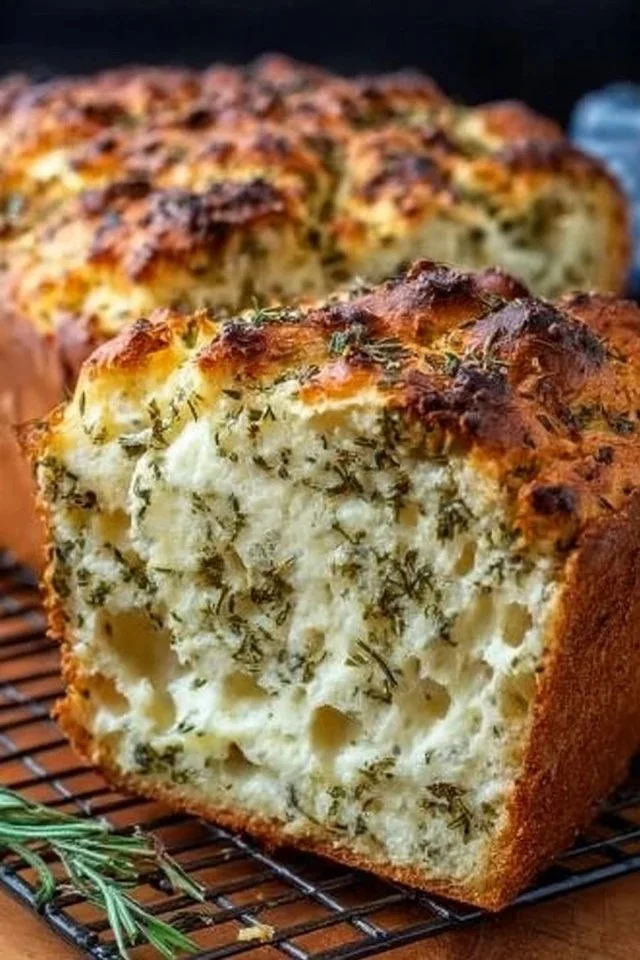
Bake at 450°F for 25–30 minutes or until the crust is golden brown and the loaf sounds hollow when tapped. Let cool on a wire rack before slicing.
Pro cue: Use color and sound—the crust should be deep golden and a hollow sound indicates the loaf is baked through.
Pro Tips for Success
- Check water temp for yeast: 110°F is warm but not hot. Too hot water kills yeast.
- Use a kitchen scale for flour if possible; spoon and level cups to avoid dense bread.
- Knead until elastic: if unsure, perform the windowpane test (stretch a small piece thin — it should form a translucent membrane).
- Steam matters: the shallow pan of water creates a crisper crust and better oven spring.
- Don’t overflour: adding too much flour while kneading yields a heavy loaf. Dust lightly.
- Let it cool: slicing too soon makes the crumb gummy — wait 20–30 minutes for best texture.
- If using fresh mozzarella, pat dry and use slightly less to avoid excess moisture.
Flavor Variations
All variations are optional and keep the base method the same.
- Optional: Garlic-Herb — add 1 teaspoon garlic powder or 1–2 minced roasted garlic cloves to the dough.
- Optional: Sun-dried Tomato — fold ½ cup chopped sun-dried tomatoes (packed in oil, drained) into the dough for a savory, tangy boost.
- Optional: Olive & Herb — fold in ½ cup chopped kalamata olives for a briny twist. Keep salt to taste.
- Optional: Cheddar Swap — replace mozzarella with 1 cup shredded sharp cheddar for a bolder cheese flavor.
- Optional: Seeded Top — brush the loaf with a little water and sprinkle sesame or poppy seeds before baking for texture and look.
- Optional: Spicy Kick — add ½ teaspoon crushed red pepper flakes to the herb mix for heat.
Serving Suggestions
- Slice warm and serve with extra-virgin olive oil and balsamic for dipping.
- Use thick slices for grilled cheese sandwiches or melt extra cheese on top.
- Serve with tomato soup or minestrone for a classic combo.
- Turn into bruschetta: toast slices, rub with garlic, top with tomatoes and basil.
- Use as sandwich bread for Italian-style subs or paninis.
- Bring to gatherings: slice and serve on a wooden board with cheeses and charcuterie.
Make-Ahead, Storage & Reheating
- Make-ahead dough: After the first rise, you can refrigerate the dough (covered) for up to 24 hours. Bring to room temperature and shape, then do the second rise before baking.
- Baked bread storage: Store cooled bread in a paper bag or wrapped in a clean kitchen towel at room temperature for up to 2 days. For longer, move to the fridge for up to 5 days (texture will change).
- Reheating: Warm slices in a 350°F oven for 5–7 minutes or toast slices to refresh the crust. Microwaving softens crust but warms quickly.
Storage and Freezing Instructions
- To freeze baked loaf: cool completely, wrap tightly in plastic wrap and then in foil or a freezer bag. Freeze up to 3 months. Thaw at room temperature and reheat in a 325–350°F oven for 10–15 minutes to refresh.
- To freeze slices: slice first, place parchment between slices, and freeze flat in a bag. Reheat from frozen in a toaster or oven.
- If you don’t want to freeze, keep the loaf in an airtight container or bag and eat within 2–3 days for best texture. Refrigeration makes crumb denser; use oven to revive.
Nutrition Facts (Per Serving)
Calories | Protein | Carbs | Fat | Fiber | Sodium
—|—:|—:|—:|—:|—:
195 | 9 g | 30 g | 7 g | 2 g | 600 mg
Estimates vary by brands and portions.
FAQ About Italian Herbs and Cheese Bread
Q: My dough didn’t rise — what went wrong?
A: Most likely the yeast was dead or the water was too hot/cold. Re-test yeast with warm water and sugar to see if it froths. Use fresh yeast.
Q: The loaf is dense — how can I make it lighter?
A: Knead until elastic and allow a full first rise until doubled. Avoid adding too much extra flour while kneading.
Q: Cheese melted out and made holes — how to avoid that?
A: Use low-moisture shredded mozzarella or chop cheese into small pieces and mix evenly. Pat fresh mozzarella dry before adding.
Q: Can I bake at a lower temperature?
A: You can, but 450°F with steam gives the best crust and oven spring. Lower temps will yield a softer, paler crust and may increase baking time.
Q: How do I know when it’s fully baked?
A: The crust should be deep golden and the loaf should sound hollow when tapped. Internal temp should be about 190–200°F if you use a thermometer.
Q: Can I make this into rolls instead of one loaf?
A: Yes — divide dough into equal pieces, shape into rolls, and reduce second rise time slightly. Bake at the same temp but check earlier (15–20 minutes).
Notes
- For a glossy crust, brush the top lightly with olive oil as soon as it comes out of the oven.
- Sprinkle extra grated Parmesan on top before baking for a crisp cheesy crust.
- If you like stronger herb flavor, mix half of the Italian herbs into the dough and reserve half to sprinkle on top before baking.
- Use a metal pan for a crisper bottom crust; glass pans give a softer bottom.
- When slicing, use a serrated knife and gentle sawing motions to keep the crumb intact.
Troubleshooting
Issue: Bread is too salty.
Fix: Use less salt next time; reduce the 1 tablespoon to 2 teaspoons, especially if your Parmesan is very salty.
Issue: Crumb is gummy after cooling.
Fix: Bake until hollow-sounding; let it cool fully before slicing. Undercooked crumb often means it needed a few more minutes.
Issue: Crust burns on the bottom.
Fix: Move the loaf to a higher rack or bake on a baking sheet to protect from direct heat. Check oven temp with an oven thermometer.
Issue: Cheese pockets leak oil during bake.
Fix: Use low-moisture shredded mozzarella and fold cheese into the dough gently so it’s evenly distributed. Reduce fresh cheese moisture.
Issue: Dough sticks everywhere when shaping.
Fix: Lightly flour your hands and the work surface, but avoid incorporating too much flour. Let the dough rest 5 minutes if it’s too sticky, then try shaping again.
Final Thoughts
This Italian Herbs and Cheese Bread is a forgiving, flavorful loaf that brings bakery comfort to your kitchen with simple steps and pantry ingredients. It’s great warm from the oven, holds up well for sandwiches, and adapts easily to small variations.
Conclusion
For a similar soft, herby loaf with a well-known flavor profile, you can compare techniques with this Subway Italian Herb and Cheese copycat recipe to learn different shaping and baking ideas.
Italian Herbs and Cheese Bread
Ingredients
For the Dough
- 4 cups all-purpose flour Bread flour can be used for a chewier texture.
- 1 packet active dry yeast (2¼ teaspoons) Instant yeast can be used; skip activation wait.
- 1¾ cups warm water (about 110°F) Check temperature to ensure yeast activation.
- 1 tablespoon salt Reduce to 2 teaspoons for lower sodium.
- 1 tablespoon sugar Helps activate the yeast.
- 2 tablespoons dried Italian herbs Or mix 1 tsp dried oregano + 1 tsp dried basil + ½ tsp dried thyme.
- 1 cup shredded mozzarella cheese Use low-moisture mozzarella to prevent excess water.
- ½ cup grated Parmesan cheese Can substitute with Pecorino Romano.
- Extra flour for dusting Use sparingly to avoid a heavy loaf.
Instructions
Preparation
- In a mixing bowl, combine warm water, sugar, and yeast. Stir briefly and let sit until frothy, about 5–10 minutes.
- Add flour, salt, herbs, mozzarella, and Parmesan to the yeast mixture. Stir with a wooden spoon or dough hook until a sticky dough forms.
- Turn the sticky dough out onto a floured surface and knead for 8–10 minutes until smooth and elastic.
- Place the dough in a greased bowl, cover, and let rise until doubled in size, about 1–2 hours.
- Punch down the dough, shape it into a loaf, and place in a greased loaf pan. Let rise for 30 minutes.
- Preheat the oven to 450°F and place a pan of water on the bottom rack to create steam.
- Bake for 25–30 minutes until golden brown and sounds hollow when tapped. Let cool on a wire rack before slicing.