
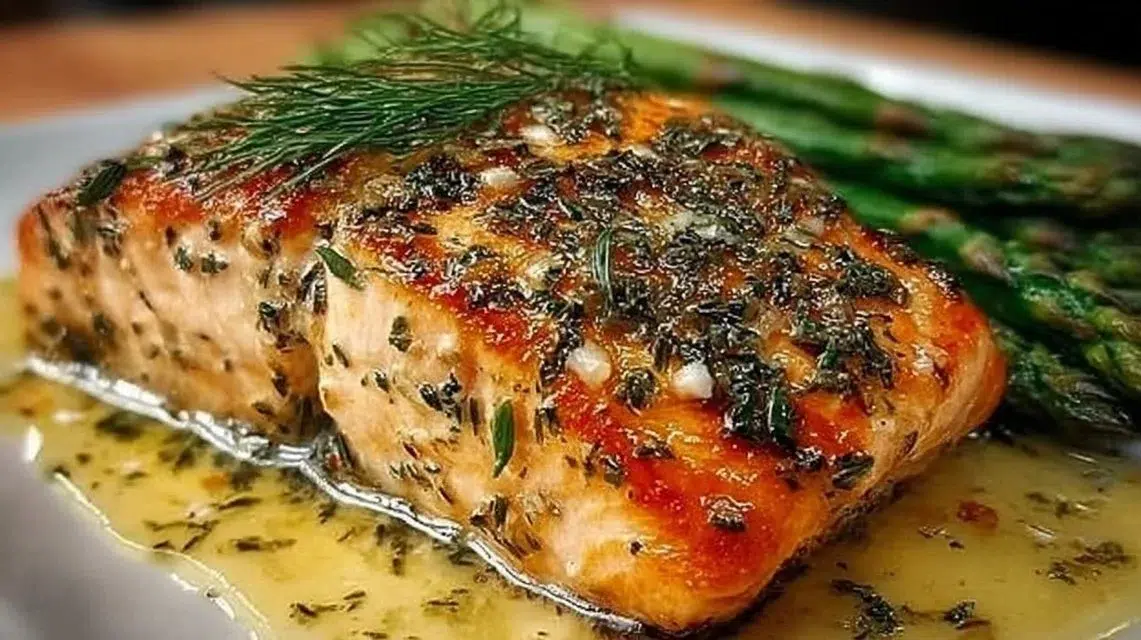
Marry this salmon to your weeknight rotation and you’ll get flaky, tender fish with a bright, tangy finish and a soft herb lift. The top stays slightly caramelized from olive oil and lemon while the inside remains moist — a balance of rich, clean salmon flavor and fresh dill. It’s simple to make in one pan or on a sheet pan with roasted vegetables, so it works for a quick dinner or an easy date-night meal. Serve with roasted asparagus or bell peppers and a lemon slice on top for a polished plate. If you want a quick breakfast side, try the air fryer egg and cheese toast recipe for a crunchy, melty companion.
Why You’ll Love This Marry Me Salmon: A Flavorful Dish to Impress Loved Ones
- Hands-off roasting: a quick prep and the oven does the rest.
- Bright, balanced flavors from lemon and dill that never overpower the salmon.
- Texture contrast: a slightly crisped top and a moist, tender interior.
- Flexible: roast vegetables on the same pan for an all-in-one meal.
- Uses pantry-friendly ingredients you likely already have.
- Great for weeknights or a low-stress dinner when you want to impress.
- Fast cleanup when cooked on a lined sheet pan or foil.
- Easy to scale up or down for 1–4 people without changing method.
What Is Marry Me Salmon: A Flavorful Dish to Impress Loved Ones?
Marry Me Salmon is a simple, oven-roasted salmon dish dressed with olive oil, garlic, lemon, salt, pepper, and fresh dill. It tastes bright and slightly tangy from lemon, garlicky for depth, and herbal from the dill. The fish cooks quickly and stays tender inside, while the exterior takes on a gentle roast that adds flavor. It’s not fussy — more of a comfort-meets-fresh dish — perfect for weeknight dinners, casual entertaining, or a cozy weekend meal. The vibe is relaxed but thoughtful: simple technique that yields a restaurant-style result.
Ingredients for Marry Me Salmon: A Flavorful Dish to Impress Loved Ones
Main Ingredients
- 2 fillets Salmon (Use wild-caught for optimal flavor and texture)
- 2 tablespoons Olive oil (Can substitute with avocado oil)
- 2 cloves Garlic (minced) (Fresh gives aromatic depth; powdered is a substitute)
- 2 tablespoons Lemon juice (Freshly squeezed preferred)
- 1 teaspoon Salt (Opt for sea salt or kosher)
- 1/2 teaspoon Black pepper (Freshly cracked preferred)
- 1/4 cup Fresh dill (Substitute with dried dill or parsley if necessary)
Vegetables (optional, roast with salmon)
- Vegetable sides (Asparagus or bell peppers) (Adds texture when roasted alongside)
To Serve
- Lemon slices or tomatoes (Enhance flavor when placed on salmon before baking)
Ingredient Notes (Substitutions, Healthy Swaps)
- Salmon: Wild-caught gives better flavor and texture, but farmed salmon works. Choose similar-thickness fillets so cooking time stays consistent.
- Olive oil: Swap for avocado oil for a neutral flavor and higher smoke point. Avoid butter as the main fat; it can brown too fast unless you are watching closely.
- Garlic: Fresh minced garlic adds the best aroma; use 1/4 teaspoon garlic powder per clove if needed.
- Lemon juice: Bottle lemon juice will work in a pinch, but fresh juice brightens the dish.
- Dill: Fresh dill is best. If using dried dill, use 1 teaspoon dried for this amount; add it to the marinade early so it rehydrates. Parsley is a mild substitute that still feels fresh.
- Vegetables: Asparagus roasts in about the same time as salmon when spears are thin. Bell peppers add color and sweetness; cut into 1-inch pieces.
Step-by-Step Instructions
Step 1 – Preheat and prep the pan
Preheat your oven to 400°F (205°C). Line a baking sheet with foil or parchment for easy cleanup. Place the salmon fillets skin-side down on the sheet. Arrange asparagus or bell peppers alongside if using.
Visual cue: The pan should have space around each fillet so hot air can circulate for even roasting.
Step 2 – Make the simple dressing
In a small bowl, whisk together olive oil, minced garlic, lemon juice, salt, and black pepper. Stir in most of the chopped fresh dill, saving a little for finishing. Spoon the mixture evenly over the fillets and vegetables. Top each fillet with a lemon slice or a few tomato slices if desired.
Visual cue: The fish should look lightly glossy and coated but not swimming in oil.
Step 3 – Roast the salmon
Place the pan in the preheated oven and roast for 10–14 minutes, depending on fillet thickness (see pro cue below). The vegetables should be tender with lightly browned edges. If you like a little extra color on the salmon, switch the oven to broil for 1–2 minutes at the end, watching closely.
Pro cue: For a 1-inch thick fillet, aim for about 10–12 minutes. If your fillet is 1.5 inches, add a few minutes. Salmon is done when it flakes easily with a fork but still looks moist in the center.
Step 4 – Rest and finish with herbs
Remove the pan from the oven and let the salmon rest for 2–3 minutes. Sprinkle the reserved fresh dill over the top and squeeze a little extra lemon juice if you like a brighter finish.
Visual cue: Resting allows juices to settle so the fish stays moist when plated.
Step 5 – Plate and serve
Transfer the fillets to plates with the roasted vegetables. Add a lemon slice or a wedge and a small sprig of dill for a neat finish. Serve immediately.
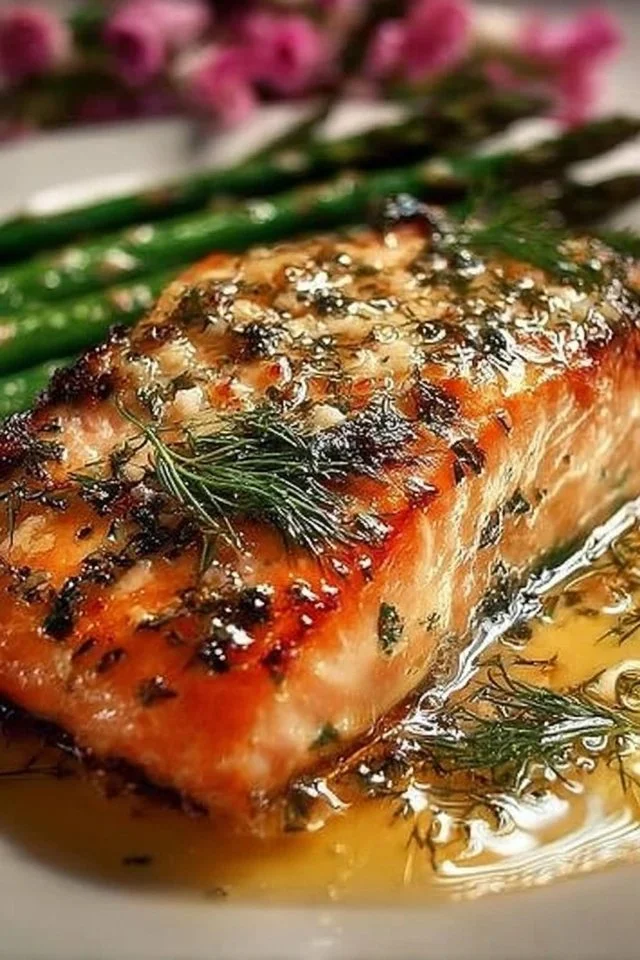
Visual cue: A clean plate with one fillet, a line of vegetables, and a lemon wedge looks classic and simple to present.
Pro Tips for Success
- Use same-thickness fillets: choose similar-sized fillets for uniform cooking.
- Pat salmon dry: remove excess moisture so the dressing sticks and the surface roasts nicely.
- Don’t over-season: 1 teaspoon salt for two fillets is enough; you can add more at the table.
- Watch broil time: if you finish under the broiler, stay nearby — it goes from golden to burned quickly.
- Let it rest: a short 2–3 minute rest keeps the center tender.
- Check for doneness visually: salmon should be opaque and flake with a fork; avoid a dry, chalky look.
- Fresh lemon at the end: a squeeze just before serving brightens the dish more than adding all the lemon before cooking.
Flavor Variations
- Optional: Honey-Lemon glaze — whisk 1 teaspoon honey into the lemon-olive oil mix for a touch of sweetness.
- Optional: Mustard-Dill kick — add 1 teaspoon Dijon mustard to the dressing for tang and depth.
- Optional: Spicy citrus — stir in a pinch of red pepper flakes or a dash of cayenne for heat.
- Optional: Herby mix — swap half the dill for chopped parsley or chives for a different herb profile.
- Optional: Garlic-forward — increase garlic to 3 cloves if you love a strong garlic note (watch for raw garlic bite).
- Optional: Tomato-top — place thin tomato slices over each fillet before baking for a roast-tomato finish.
Serving Suggestions
- Serve with roasted asparagus and lemon wedges for a classic pairing.
- Spoon the salmon over a bed of rice or quinoa to soak up juices.
- Pair with a simple green salad and a light vinaigrette for a fresh plate.
- Add crusty bread or garlic toast to mop up pan juices.
- For a special meal, plate with lemon-herb butter and a small portion of mashed potatoes.
- Serve on mixed greens for a warm salmon salad — cut fillets into flakes and toss with dressing.
- Great for entertaining: slice the fillet into portions and place on a large platter with vegetables.
Make-Ahead, Storage & Reheating
- Make-ahead: Mix the olive oil, garlic, lemon, salt, pepper, and dill and store covered in the fridge up to 24 hours. Keep salmon on a baking sheet, sealed, for up to 4 hours before baking.
- Storage: Refrigerate leftovers in an airtight container for up to 3 days. Place salmon and vegetables in separate containers if possible to preserve texture.
- Reheating: Reheat gently in a 300°F (150°C) oven for 8–10 minutes until warmed through. You can also reheat in a skillet over low heat with a splash of water and a lid to steam gently. Avoid the microwave when possible; it can make salmon dry and rubbery.
- Texture note: Reheated salmon is usually firmer and less delicate than freshly roasted. Reheat gently to keep it moist.
Storage and Freezing Instructions
- To freeze cooked salmon: cool completely, then wrap tightly in plastic wrap and place in a freezer bag. Freeze up to 2 months. Thaw in the refrigerator before reheating. Expect some texture change — frozen-then-thawed salmon is best used in salads, pasta, or casseroles rather than plated main dishes.
- To freeze raw salmon: freeze raw fillets individually wrapped for up to 3 months; thaw in the fridge before marinating and baking.
- If you want best texture, avoid freezing cooked seasoned salmon if you plan to serve it as a main plated dish — use fresh or refrigerate instead.
Nutrition Facts (Per Serving)
Calories | Protein | Carbs | Fat | Fiber | Sodium
—|—:|—:|—:|—:|—:
360 kcal | 34 g | 2 g | 22 g | 0.5 g | 800 mg
Estimates vary by brands and portions.
FAQ About Marry Me Salmon: A Flavorful Dish to Impress Loved Ones
Q: My fillet is very thick. How long should I cook it?
A: Increase roasting time by 3–6 minutes depending on thickness. For a 1.5–2 inch fillet, 13–16 minutes is typical. Check for flake and opacity.
Q: The lemon makes the fish watery. What did I do wrong?
A: Too much liquid can keep the surface from browning. Use just the 2 tablespoons lemon juice in the dressing and pat fish dry first.
Q: Can I use dried dill instead of fresh?
A: Yes. Use about 1 teaspoon dried dill and add it earlier so it rehydrates and releases flavor.
Q: Is it safe to eat salmon slightly pink in the center?
A: Yes. Salmon is fine when opaque on the outside and slightly translucent in the center; it will continue to cook a bit while resting.
Q: How do I avoid overcooking the salmon?
A: Remove from oven when it flakes easily but still looks moist in the center. Rest for 2–3 minutes and check again.
Q: Can I grill this instead of roasting?
A: Optional: you can grill with the same dressing. Oil the grill well and cook skin-side down for 4–6 minutes per side depending on thickness.
Notes
- Finish with extra fresh dill and a lemon wedge for a clean, restaurant-style plate.
- If using skin-on fillets, serve skin-side down for presentation and easier eating.
- Use a fish spatula when removing fillets from the pan to keep them intact.
- For cleaner flavor, remove any pin bones before cooking with tweezers.
- If you like crispier edges, leave the salmon uncovered while roasting and broil for 1–2 minutes at the end.
Troubleshooting
- Problem: Salmon tastes bland. Fix: Add a final squeeze of lemon and a pinch more salt at the table. Fresh herbs at the end boost flavor.
- Problem: Salmon is overcooked and dry. Fix: Reduce oven time and check earlier; rest briefly. Wild salmon cooks slightly faster than farmed.
- Problem: Garlic burned and tastes bitter. Fix: Mince garlic smaller and mix with oil so it doesn’t sit on top of the fillet; add garlic later in the roast if needed.
- Problem: Vegetables are underdone. Fix: Cut vegetables smaller or par-cook them for a few minutes before adding salmon to the pan.
- Problem: Sauce too watery. Fix: Pat the fish dry first; use less lemon juice in the dressing or spoon off excess before roasting.
- Problem: Salmon sticks to the pan. Fix: Line the pan with foil or parchment and brush a little extra oil under the fillets before placing them.
Final Thoughts
This Marry Me Salmon recipe is an easy and elegant way to get flaky, flavorful fish on the table with minimal fuss. It balances bright lemon, fresh dill, and garlic for a dish that looks and tastes like you spent more time on it than you did.
Conclusion
If you want a slightly different take or more inspiration, see the original idea and variations at Marry Me Salmon | Moribyan.