
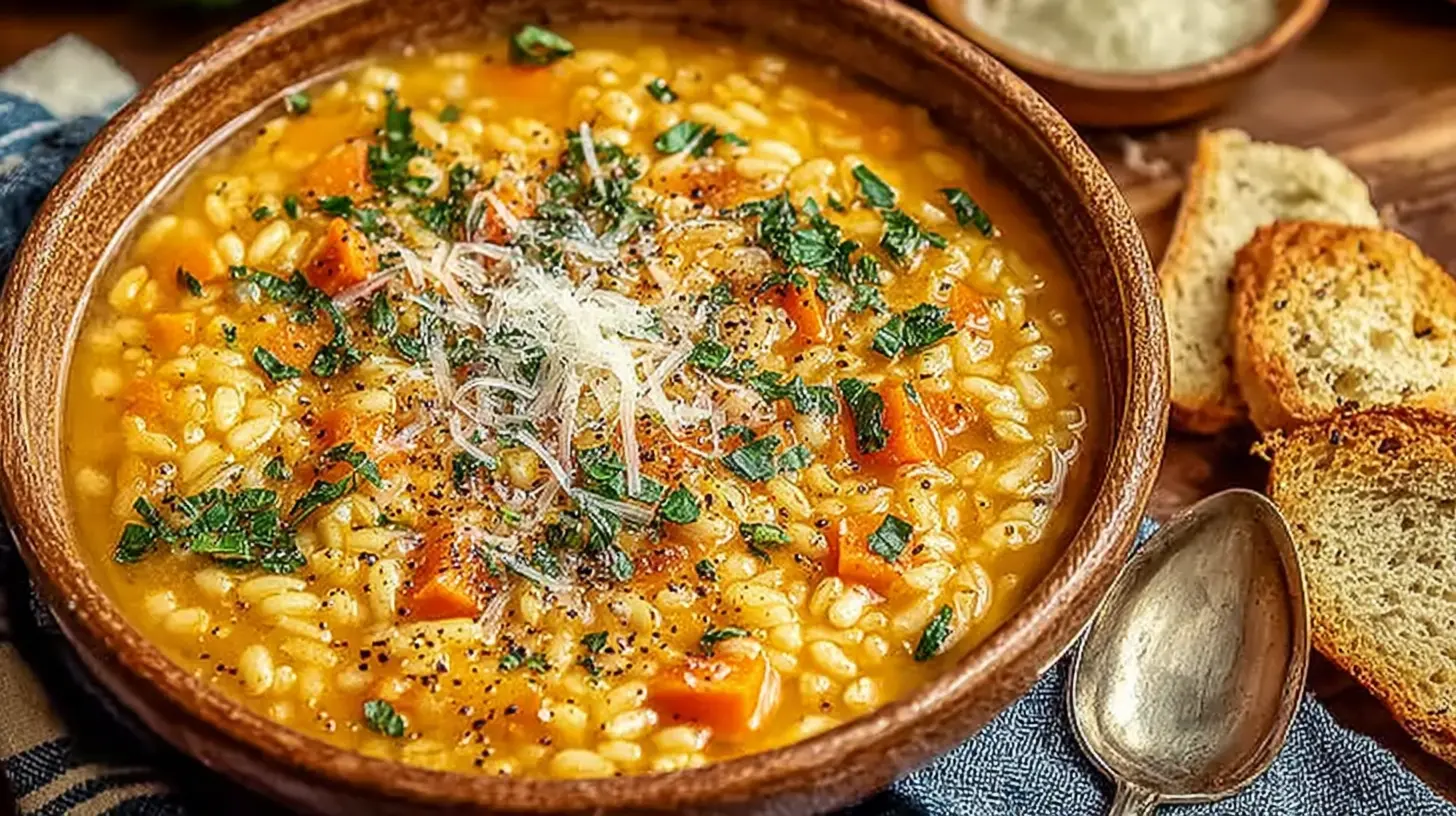
Italian Penicillin Soup Recipe is comfort in a bowl: a lemony, herb-laced chicken and pastina (or ditalini) soup with a classic soffritto base and a silky, nourishing broth. Think nonna’s chicken soup—brightened with lemon, finished with fresh parsley, and crowned with a snowy sprinkle of Parmigiano-Reggiano. It’s simple, restorative, and exactly what you want on chilly nights or under-the-weather days.
Why You’ll Love This Italian Penicillin Soup Recipe
- Deep flavor, minimal fuss: A bone-in chicken breast simmers right in the pot to enrich store-bought broth—no hours-long stock required.
- Bright and balanced: Lemon juice and parsley cut through the cozy richness so each bite tastes clean and uplifting.
- Weeknight-friendly: One pot, straightforward steps, and dinner on the table in about an hour.
- Flexible and family-safe: Easy gluten-free and dairy-free swaps, plus a vegetarian option without compromising the soul of the dish.
- Meal-prep smart: Broth and chicken hold beautifully, and the pasta can be cooked to order so leftovers never turn mushy.
Ingredients for Italian Penicillin Soup
The Broth & Chicken
- 2 tablespoons olive oil
- 1 medium yellow onion, finely diced
- 2 medium carrots, finely diced
- 2 celery ribs, finely diced
- 3–4 garlic cloves, minced
- 8 cups (2 liters) low-sodium chicken broth (or vegetable broth)
- 1 large bone-in, skin-on chicken breast (about 1 to 1¼ lb / 450–560 g)
- 2 bay leaves
- 1 teaspoon dried oregano
- ½ teaspoon dried thyme (or 1 teaspoon fresh)
- ¼–½ teaspoon red pepper flakes (optional, to taste)
- ½–1 teaspoon fine sea salt, to taste
- Freshly ground black pepper, to taste
Pasta & Finishing Touches
- 1 to 1½ cups small pasta, such as pastina, ditalini, or orzo (see notes)
- 1 large lemon (zest optional), juiced (about 3 tablespoons)
- ¼ cup chopped flat-leaf parsley
- Freshly grated Parmigiano-Reggiano, for serving
- Extra-virgin olive oil, for finishing
- Crusty bread, for the table
Ingredient Notes (Substitutions & Healthy Swaps)
- Chicken cuts: Bone-in breast enriches the broth quickly. Bone-in thighs also work and are extremely tender; use ~2–3 thighs (about 1½ lb) and simmer until shreddable. Boneless skinless pieces are fine but produce a slightly lighter broth—simply add ½ cup extra broth or a small spoon of chicken bouillon for depth.
- Gluten-free path: Swap the pasta for cooked rice (stir into bowls) or use a good-quality gluten-free pastina/ditalini.
- Vegetarian variation: Use vegetable broth; replace chicken with a can of drained cannellini beans and add a small Parm rind (optional) while simmering for umami.
- Herbs: Oregano and thyme are classic; rosemary is robust but can dominate—use a small sprig if desired. A Parmigiano rind simmered in the broth adds incredible savory notes.
- Lemon: Fresh juice is essential; zest amplifies citrus aroma if you love a brighter finish.
- Sodium control: Start with low-sodium broth and season gradually. A finishing squeeze of lemon wakes flavors so you can use less salt.
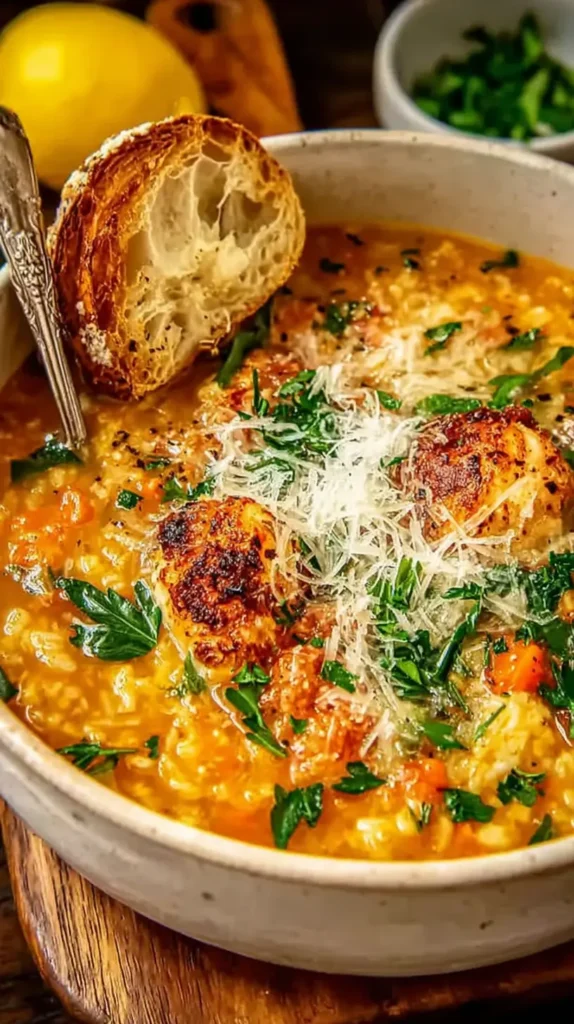
Step-by-Step Instructions
Step 1 – Build the Flavor Base
Warm the olive oil in a large soup pot or Dutch oven over medium heat. Add onion, carrot, and celery with a pinch of salt. Cook, stirring often, until softened and glossy, 6–8 minutes. Stir in the garlic and cook just until fragrant, about 30 seconds.
Step 2 – Simmer the Chicken
Pour in the broth. Nestle in the bone-in chicken breast along with bay leaves, oregano, thyme, and red pepper flakes if using. Bring to a gentle simmer, then lower the heat to maintain small, lazy bubbles. Partially cover and cook until the chicken is cooked through and shreddable, about 25–30 minutes.
Step 3 – Shred and Season
Transfer the chicken to a bowl and let it rest for 5–10 minutes to retain juices. Discard skin and bones; shred the meat into bite-size pieces. Meanwhile, taste the broth and season with salt and black pepper. Return shredded chicken to the pot.
Step 4 – Cook the Pasta (Two Ways)
- In the soup (easy): Stir in the pastina/ditalini/orzo and simmer until just al dente, 6–10 minutes depending on shape.
- Separately (best for leftovers): Boil pasta in salted water in a separate pot, then drain. Add cooked pasta to bowls and ladle soup over top. This keeps the broth clear and prevents sogginess over time.
Step 5 – Brighten and Finish
Turn off the heat. Stir in lemon juice and parsley. Taste and adjust—more lemon for brightness, more salt to round flavor, and a grind of pepper for warmth. Ladle into warm bowls and finish with Parmigiano and a light drizzle of extra-virgin olive oil.
Pro Tips for Success
- Gentle simmer = clear broth: Vigorous boiling can cloud the soup and toughen the chicken. Keep it to soft bubbles.
- Rest the chicken before shredding: Even a short rest keeps the meat juicy and flavorful.
- Season in layers: Aromatics + herbs early; salt and lemon at the end for a clean, balanced finish.
- Pasta control: Cook pasta separately if you plan for leftovers—that’s the restaurant trick for consistently perfect texture.
- Use the rind: If you have a Parmigiano rind, simmer it with the broth and remove before serving—instant umami.
- Finish thoughtfully: A swirl of good olive oil and a fresh lemon squeeze elevate the whole bowl.
Flavor Variations
- Nonna’s Egg Drop Twist: Beat 2 eggs with 1 tablespoon grated Parm. With the soup off heat and whisking gently, stream in the egg to create tender ribbons (stracciatella-style).
- Tuscan Bean & Kale: Add 1 can cannellini beans (drained) with the shredded chicken and stir in a handful of chopped lacinato kale for the last 5 minutes.
- Herb Garden: Finish with a mix of parsley, dill, and chives for a fresh, springy profile; reduce oregano slightly so the delicate herbs sing.
- Lemon-Pepper Bright: Add lemon zest with the aromatics and a few extra grinds of black pepper at the end for citrusy heat.
- Spicy Calabrian: Stir 1–2 teaspoons Calabrian chili paste into the broth for fruity heat and a gorgeous hue.
Serving Suggestions
- Classic at the table: Serve with warm, crusty Italian bread or garlic toast for dunking.
- Make it a meal: Add a simple side salad—arugula with shaved Parm and a lemon-olive oil dressing echoes the soup’s bright finish.
- Kids’ bowls: Keep red pepper flakes out of the pot; pass them at the table so everyone can customize heat.
- Lunch prep: Portion broth and chicken in containers; pack cooked pasta separately. Combine when reheating for perfect texture all week.
Storage and Freezing Instructions
- Refrigerate: Cool completely and store in airtight containers for 3–4 days. If the pasta is in the soup, it will continue to soften; for best results, store it separately.
- Freeze: Soup (without pasta) freezes beautifully for 2–3 months. Freeze in meal-size containers, leaving room for expansion. Thaw overnight in the fridge.
- Reheat: Warm gently on the stovetop until steaming. If the soup tastes flat after reheating, add a squeeze of lemon and a pinch of salt to revive flavors. Cook fresh pasta or stir in leftover cooked rice just before serving.
Nutrition Facts (Per Serving)
Approximate for 6 servings with ditalini, lemon, and Parm garnish; values vary by ingredients/portion size.
| Nutrient | Amount |
|---|---|
| Calories | ~320 |
| Protein | ~25 g |
| Carbohydrates | ~28 g |
| Total Fat | ~12 g |
| Fiber | ~3 g |
| Sodium | ~800 mg |
FAQ About Italian Penicillin Soup
What is “Italian penicillin” and how is it different from standard chicken noodle soup?
The nickname “Italian penicillin” nods to the soup’s comforting, restorative feel—like the cultural cousin of Jewish penicillin (chicken soup). The Italian-leaning version leans on a soffritto base, small pastas like pastina or ditalini, classic Mediterranean herbs, and a bright finish of lemon and parsley. The result is cleaner and zestier than many American-style chicken noodle soups, with a delicate richness and citrus lift.
Can I use rotisserie chicken to speed things up?
Yes. If you’re in a pinch, shred about 3 cups of rotisserie chicken and simmer it briefly in the broth after you sauté the soffritto (skip the raw chicken step). Because rotisserie meat is already cooked and seasoned, simmer it gently for just 5–10 minutes to mingle flavors. You may need a little extra lemon or broth to balance salt.
How do I keep the pasta from getting mushy in leftovers?
Cook the pasta separately and store it apart from the broth. When reheating, warm the soup to a simmer and add the pasta to bowls right before serving. This preserves the pasta’s bite and keeps the broth clear and flavorful.
Is there a way to make this soup creamy without heavy cream?
For a silky finish, whisk 1 egg with 1 tablespoon lemon juice (a light avgolemono vibe). Temper by whisking in a ladle of hot soup, then stir that mixture back into the pot off heat. It gently thickens without turning dairy-heavy. Alternatively, puree a cup of the broth with some of the cooked vegetables and stir it back in.
What if I don’t have fresh parsley or lemon?
Parsley adds freshness, but you can use a small amount of finely chopped dill or chives. In a pinch, a splash of mild vinegar (like white wine vinegar) brings brightness similar to lemon. If you only have bottled lemon juice, use it sparingly and taste as you go.
Can I make it in an Instant Pot or pressure cooker?
Absolutely. Sauté the soffritto on Sauté mode, add broth, chicken, herbs, and bay leaves. Pressure cook on High for 12 minutes, natural release 10 minutes, then quick release. Shred the chicken, return it to the pot, and cook the pasta using Sauté until al dente. Finish with lemon and parsley off heat.
Final Thoughts
This Italian Penicillin Soup Recipe is proof that simple ingredients and thoughtful technique create something truly restorative. The soffritto lays a savory foundation, the bone-in chicken deepens the broth quickly, and lemon with parsley brings it all into lively balance. Whether you’re nursing a cold, craving comfort, or planning a wholesome meal for the week, this soup meets the moment—nourishing, aromatic, and endlessly adaptable. Keep the pasta separate for meal prep, finish with a snowfall of Parmigiano and a drizzle of extra-virgin olive oil, and savor how something so modest can taste so complete.
Easy Italian Penicillin Soup
Ingredients
Broth & Chicken
- 2 tbsp olive oil
- 1 medium yellow onion finely diced
- 2 medium carrots finely diced
- 2 celery ribs finely diced
- 3–4 garlic cloves minced
- 8 cups low-sodium chicken broth or vegetable broth
- 1 large bone-in, skin-on chicken breast about 1 to 1¼ lb
- 2 bay leaves
- 1 tsp dried oregano
- 0.5 tsp dried thyme or 1 tsp fresh thyme
- 0.25–0.5 tsp red pepper flakes optional, to taste
- 0.5–1 tsp fine sea salt to taste
- Freshly ground black pepper to taste
Pasta & Finishing Touches
- 1–1.5 cups small pasta pastina, ditalini, or orzo
- 1 large lemon, juiced about 3 tbsp juice; zest optional
- 0.25 cup chopped flat-leaf parsley
- Freshly grated Parmigiano-Reggiano for serving
- Extra-virgin olive oil for finishing
- Crusty bread for the table
Instructions
- Heat olive oil in a large pot over medium heat. Add onion, carrots, and celery with a pinch of salt. Cook until softened, about 6–8 minutes. Stir in garlic and cook for 30 seconds more.
- Pour in broth. Add chicken breast, bay leaves, oregano, thyme, and optional red pepper flakes. Bring to a gentle simmer. Cover partially and simmer until chicken is cooked through, 25–30 minutes.
- Remove chicken to a bowl and let rest 5–10 minutes. Discard skin and bones, then shred the meat. Season the broth with salt and pepper, then return chicken to the pot.
- Stir in the pasta and simmer until al dente, 6–10 minutes. For best leftovers, cook pasta separately and add to bowls when serving.
- Turn off heat. Stir in lemon juice and parsley. Adjust seasoning with more salt, pepper, or lemon juice to taste. Serve hot with Parmigiano and a drizzle of olive oil.
1 thought on “Easy Italian Penicillin Soup Recipe”