
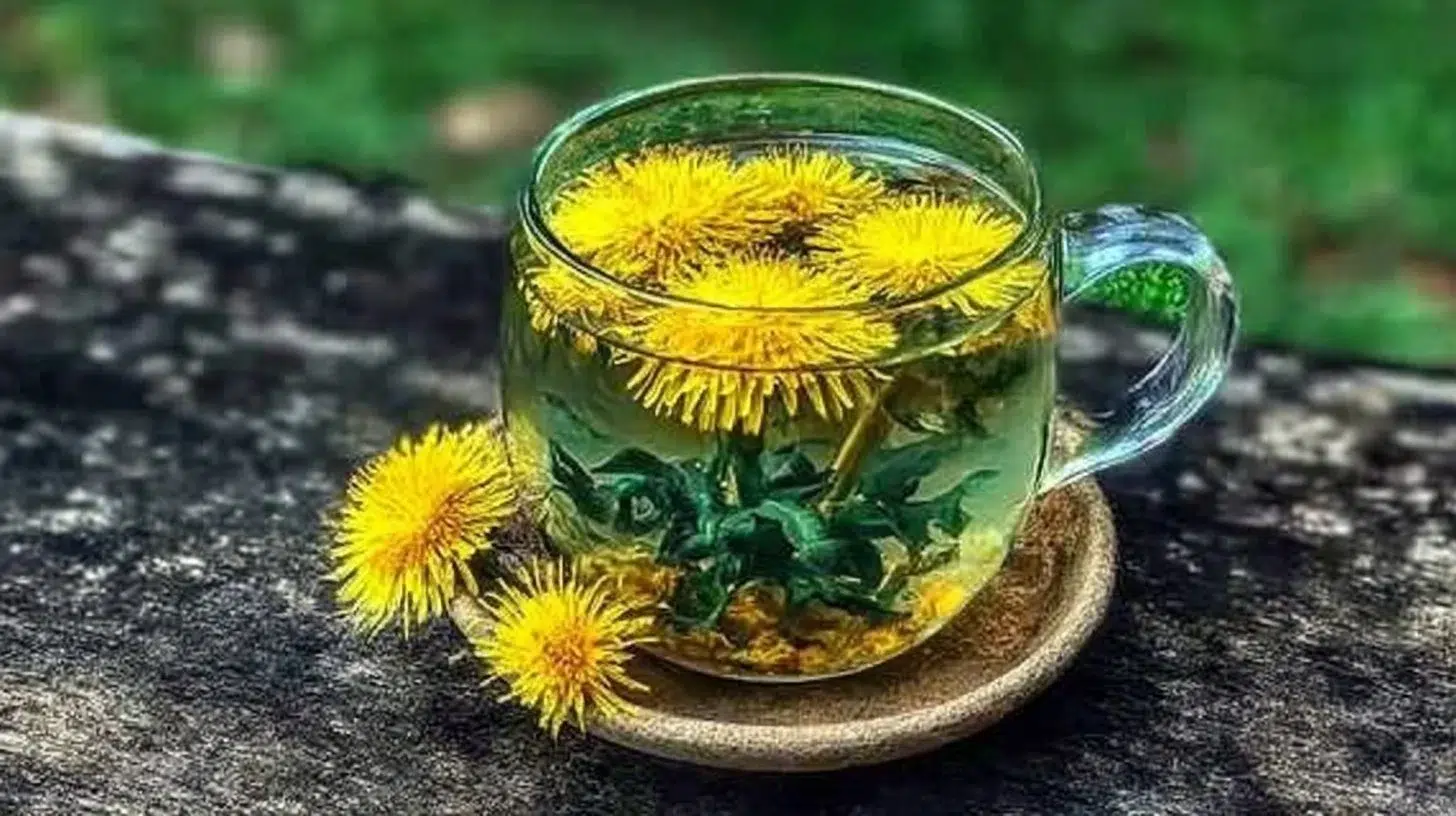
Dandelion tea offers a delightful blend of earthy flavors and a hint of bitterness that transforms the humble dandelion into a comforting beverage. With its naturally vibrant color and aroma, this tea is both refreshing and invigorating. Making dandelion tea is remarkably simple, requiring just a few steps and ingredients. You can enjoy it on its own or pair it with a light snack for a perfect afternoon treat.
Why You’ll Love This Dandelion Tea
- Hands-off preparation: Just boil water and steep—no complicated steps.
- Unique flavor: Earthy and slightly bitter with a touch of sweetness if you add honey.
- Flexible tea base: Use either the leaves or flowers based on availability.
- Nutritional powerhouse: Dandelions are packed with vitamins A, C, and K.
- Natural detoxifier: Known for its potential health benefits, including liver support.
- Gentle caffeine-free option: Excellent for anytime sipping, especially in the evening.
- Eco-friendly choice: Utilize something often considered a weed.
What Is Dandelion Tea?
Dandelion tea is an herbal infusion made from the leaves or flowers of the dandelion plant. It presents a slightly earthy flavor with a hint of bitterness balanced by natural sweetness, especially when honey is added. This preparation method involves steeping the dandelions in hot water, creating a comfortable and soothing drink that’s perfect for any time of day. Whether you’re enjoying it during a quiet moment at home or serving it at brunch, dandelion tea embodies a relaxed vibe.
Ingredients for Dandelion Tea
For the Base
- Fresh dandelion leaves or flowers
- Water
To Sweeten (Optional)
- Honey or sweetener of your choice
Ingredient Notes (Substitutions, Healthy Swaps)
- Dandelion Leaves or Flowers: Fresh is best, but you can also use dried dandelion for a quicker option.
- Water: Use filtered water for a cleaner taste.
- Sweetener: Alternatives like agave syrup, stevia, or maple syrup can also be used to enhance sweetness.
Step-by-Step Instructions
Step 1 – Rinse the Dandelion
Rinse the dandelion leaves or flowers thoroughly to remove any dirt.
Visual cue: Clean leaves should appear bright green without any debris.
Step 2 – Boil the Water
Bring water to a boil in a pot.
Pro cue: Use about 2 cups (475 ml) of water for a strong brew.
Step 3 – Steep the Dandelion
Add the rinsed dandelion leaves or flowers to the boiling water. Stir gently.
Step 4 – Let It Steep
Let it steep for about 5-10 minutes, depending on your desired strength.
Visual cue: A longer steep will deepen the color and flavor.
Step 5 – Strain the Tea
Strain the tea into a cup using a fine mesh strainer to remove the leaves or flowers.
Step 6 – Sweeten If Desired
Sweeten with honey or your preferred sweetener if desired. Stir well.
Step 7 – Enjoy!
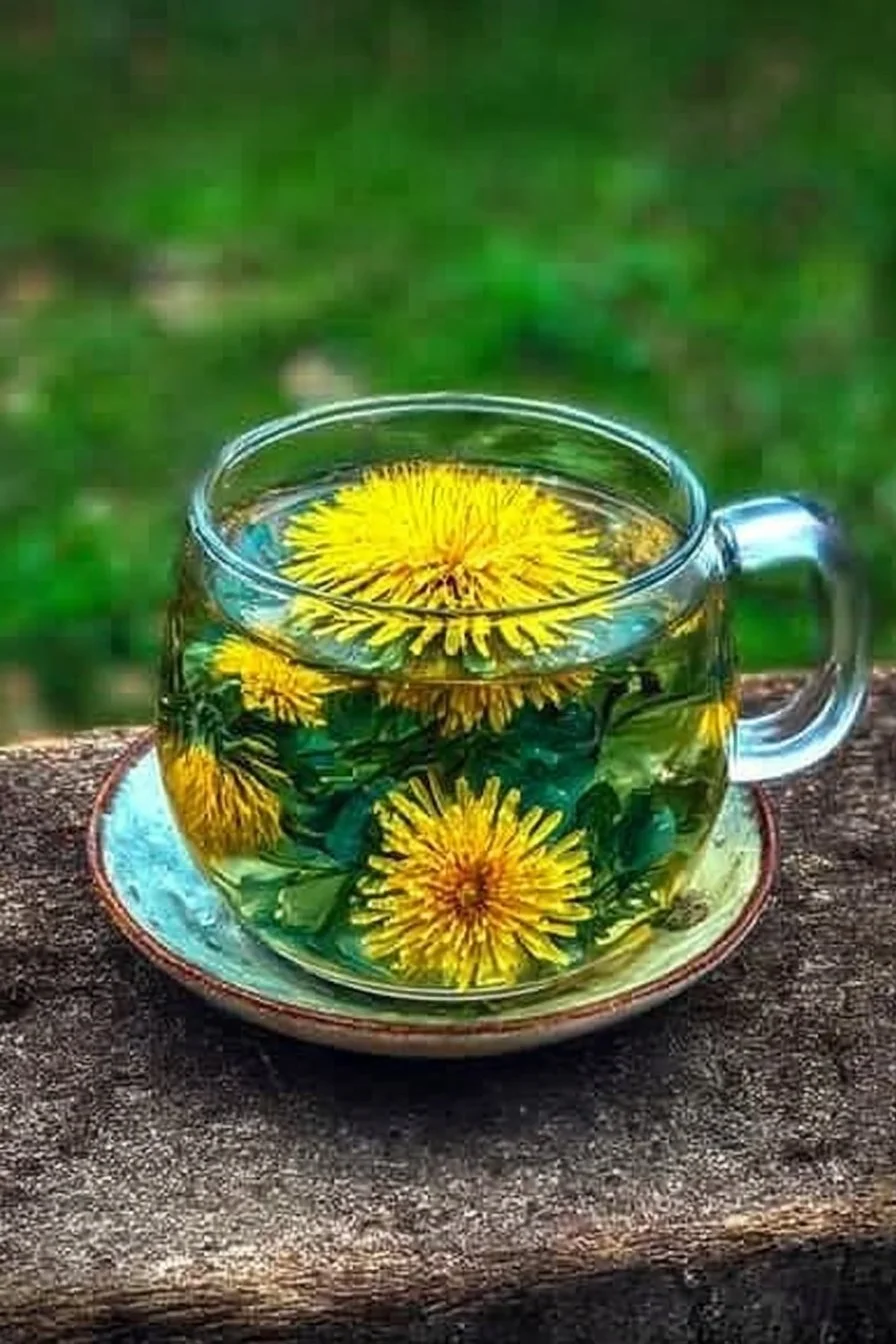
Enjoy your dandelion tea warm, or let it cool for an iced version.
Pro Tips for Success
- Use freshly picked dandelions early in the day for the best flavor.
- Adjust steeping time based on your taste preference; shorter for milder flavor, longer for a stronger brew.
- If using dried dandelion, use about 2 tablespoons for every cup of water.
- Experiment with sweeteners to find your ideal balance.
- To enhance flavor, consider adding lemon juice or ginger slices while steeping.
Flavor Variations
- Mint Dandelion Tea: Add fresh mint leaves to the boiling water for a refreshing twist.
- Citrus Twist: Squeeze in fresh lemon or orange juice before serving for brightness.
- Ginger Infused: Include a few slices of fresh ginger while boiling the water for a spicier flavor.
- Herbal Blend: Mix with other herbs like chamomile or hibiscus for a unique blend.
- Iced Dandelion Tea: Brew a stronger batch and serve over ice for a refreshing summer drink.
Serving Suggestions
- Pair your tea with light snacks like cucumber sandwiches or vegetable platters.
- Serve alongside a hearty breakfast—perfect with oatmeal or whole-grain toast.
- Enjoy after dinner as a soothing herbal aid for digestion.
- Present in a teapot for a charming tea party setup.
- Use it as a drink option during outdoor gatherings or picnics.
Make-Ahead, Storage & Reheating
Dandelion tea is best enjoyed fresh, but you can prepare a larger batch ahead of time. Store any leftovers in the refrigerator for up to 3 days. When reheating, keep the heat low and gently warm it to maintain quality. The flavor may slightly change after storage, potentially becoming more bitter.
Storage and Freezing Instructions
It is not recommended to freeze dandelion tea, as this can alter its flavor and texture. Instead, prepare smaller batches as needed to ensure freshness. If you have excess herbs, consider drying them for later use in tea or other recipes.
Nutrition Facts (Per Serving)
Calories | Protein | Carbs | Fat | Fiber | Sodium
5 | 0g | 1g | 0g | 0g | 0mg
Estimates vary by brands and portions.
FAQ About Dandelion Tea
Q: Can I make dandelion tea with dried leaves?
A: Yes, use about 2 tablespoons of dried leaves per cup of water.
Q: What if my tea tastes too bitter?
A: Steep for a shorter time or add more sweetener to balance the flavor.
Q: Can I drink dandelion tea cold?
A: Absolutely! Just allow it to cool and serve over ice for a refreshing drink.
Q: How can I tell if the dandelions are safe to use?
A: Ensure they are picked from chemical-free areas and are free of insects or dirt.
Q: Is it safe to drink dandelion tea every day?
A: Yes, in moderation. However, consult your doctor if you have any health concerns.
Q: Can I add other flavors to dandelion tea?
A: Yes, adding ingredients like lemon or ginger works well and enhances the taste.
Notes
- Always harvest dandelions from clean, chemical-free locations.
- Try experimenting with steeping times to discover your perfect cup.
- Consider blending dandelion tea with other herbal teas for unique flavor profiles.
- Remember to use fresh ingredients whenever possible for optimal taste.
Troubleshooting
- Bland Flavor: Steep longer or add more dandelion material for a stronger taste.
- Too Watery: Ensure the right ratio of dandelions to water; adjust when brewing.
- Overcooked: Avoid boiling the tea for too long; steep gently after boiling.
- Bitter Taste: Reduce steeping time; add more sweetener to balance it out.
- Cloudy Tea: This can happen with over-brewing; use fresher leaves for clarity.
Final Thoughts
Dandelion tea is a simple yet special herbal drink that connects us to nature’s bounty. Its unique flavor, coupled with easy preparation, makes it an enjoyable choice for tea lovers and anyone looking for a comforting beverage. Try making it today and discover a delightful way to appreciate this often-overlooked plant.
Conclusion
Dandelion tea is not just a refreshing way to hydrate—it’s also packed with potential health benefits. For those looking to explore different ways to enjoy this herbal drink, don’t forget to check out a variety of options like Dandelion Root Tea Bags for convenience and flavor.
Dandelion Tea
Ingredients
For the Tea Base
- 2 cups Fresh dandelion leaves or flowers Fresh is best, but dried can be used.
- 2 cups Water Use filtered water for a cleaner taste.
To Sweeten (Optional)
- 1 tablespoon Honey or sweetener of your choice Alternatives include agave syrup, stevia, or maple syrup.
Instructions
Preparation
- Rinse the dandelion leaves or flowers thoroughly to remove any dirt.
- Bring water to a boil in a pot.
- Add the rinsed dandelion leaves or flowers to the boiling water and stir gently.
Steeping
- Let it steep for about 5-10 minutes, depending on your desired strength.
- Strain the tea into a cup using a fine mesh strainer to remove the leaves or flowers.
Serving
- Sweeten with honey or preferred sweetener if desired, and stir well.
- Enjoy your dandelion tea warm, or let it cool for an iced version.