
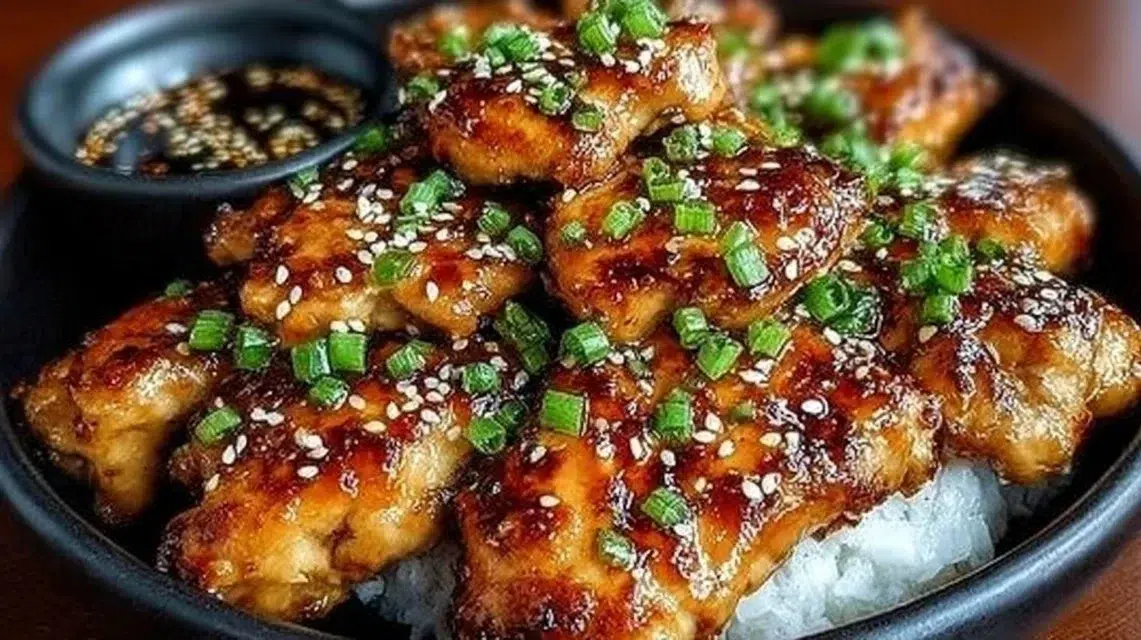
This Korean Chicken Breasts recipe brings sweet, salty, and savory flavors together in a simple, hands-off way. The soy-ginger-garlic marinade gives the chicken a glossy, caramelized finish and a tender, juicy texture when cooked properly. It’s easy to make for a weeknight — marinate for as little as 30 minutes and grill or bake to finish. Serve it over steamed rice and bright steamed vegetables for a full, balanced plate. If you like a crisp outside, try it in an air fryer — here’s a great guide to making crispy air fryer chicken breasts: air fryer chicken breasts.
Why You’ll Love This Korean Chicken Breasts
- Bold, balanced flavor from soy, garlic, ginger, and honey without long prep.
- Quick marinate: as little as 30 minutes for weeknight dinners.
- Hands-off cooking: grill or bake at 375°F and check for 165°F doneness.
- Versatile: pairs perfectly with rice, vegetables, or a grain bowl.
- Healthy protein: lean chicken breasts keep the dish light and filling.
- Easy to scale up for meal prep or a family dinner.
- Uses pantry staples you likely already have.
- Simple clean-up — one bowl for the marinade.
What Is Korean Chicken Breasts?
Korean Chicken Breasts here means boneless skinless chicken breasts flavored with a classic Korean-inspired marinade: soy sauce, garlic, ginger, honey or brown sugar, and sesame oil. The taste is a mix of sweet and savory with a mild nutty sesame note. Texture-wise, when cooked right, the breasts are juicy inside with a slightly caramelized outer layer from the honey or sugar.
This recipe leans toward quick weeknight comfort food. It uses a short marinate time and either a grill or oven finish at 375°F (190°C). The vibe is simple and homey: fast enough for weeknights, good enough for casual guests, and easy to pack for lunches.
Ingredients for Korean Chicken Breasts
For the Base
- 4 chicken breasts
For the Sauce / Marinade
- 1/4 cup soy sauce
- 2 cloves garlic, minced
- 1 tablespoon ginger, grated
- 2 tablespoons honey or brown sugar
- 1 tablespoon sesame oil
- Salt and pepper to taste
To Serve
- Steamed rice for serving
- Steamed vegetables for serving
Ingredient Notes (Substitutions, Healthy Swaps)
- Soy sauce: Use low-sodium soy sauce to cut sodium without changing flavor much.
- Honey or brown sugar: Honey gives a cleaner sweet flavor; brown sugar gives deeper caramel notes. Maple syrup can work in a pinch (optional).
- Sesame oil: Adds toasted flavor. If you don’t have it, a neutral oil plus a small sprinkle of toasted sesame seeds at the end can substitute (optional).
- Ginger: Fresh grated ginger is best. Ground ginger can be used (about 1/4 teaspoon) but fresh is more vibrant.
- Garlic: Fresh is best. If using jarred minced garlic, reduce slightly to avoid a sharp taste.
- Salt and pepper: Use sparingly — soy sauce already adds saltiness. Taste the marinade first if you’re unsure.
Step-by-Step Instructions
Step 1 – Mix the marinade
In a medium bowl, whisk together 1/4 cup soy sauce, minced garlic, grated ginger, 2 tablespoons honey (or brown sugar), 1 tablespoon sesame oil, and a pinch of salt and pepper until smooth.
Visual cue: The honey or sugar should dissolve and the mixture will look glossy.
Step 2 – Marinate the chicken
Place the 4 chicken breasts in the bowl or a resealable bag. Turn to coat completely in the marinade. Cover or seal and refrigerate for at least 30 minutes, or up to 4 hours for deeper flavor.
Pro cue: Do not marinate more than 4 hours to avoid texture changes from the soy sauce.
Step 3 – Preheat grill or oven
Preheat your grill or oven to 375°F (190°C). If baking, line a baking sheet with foil or use a baking dish. If grilling, oil the grates lightly to prevent sticking.
Visual cue: The grill or oven should feel hot but not screaming hot — mid heat gives even cooking.
Step 4 – Cook the chicken
Remove the chicken from the marinade and discard the excess marinade. Place the breasts on the grill or in the oven and cook about 6–7 minutes per side, turning once. Use an instant-read thermometer to check the thickest part; cook until internal temperature reaches 165°F (75°C).
Pro cue: Let the chicken rest 5 minutes after cooking to let juices redistribute.
Step 5 – Serve
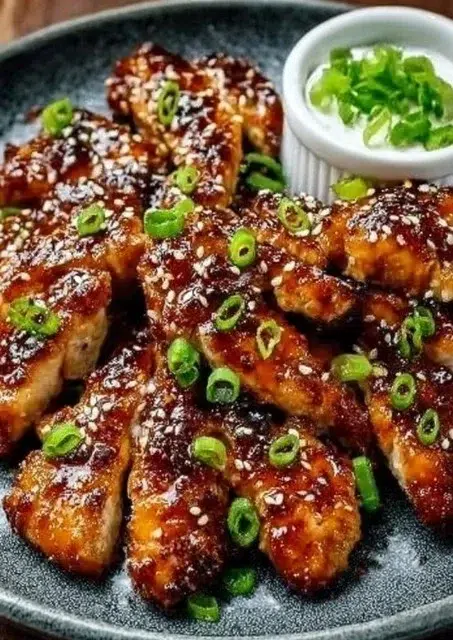
Slice or leave whole and serve with steamed rice and steamed vegetables. Drizzle a little fresh sesame oil or sprinkle sesame seeds if you like.
Pro Tips for Success
- Pat chicken dry before cooking to encourage browning and avoid steaming.
- Use an instant-read thermometer to hit 165°F; visual checks alone can be misleading.
- If breasts are thick, pound to even thickness for even cooking and faster cook time.
- Reserve a small amount of marinade BEFORE adding raw chicken if you want to brush it on during cooking; do not reuse raw marinade.
- Rest the chicken 5 minutes after cooking to keep it juicy.
- If baking, broil for the last 1-2 minutes to get a light glaze but watch closely to avoid burning.
- For extra flavor, sear quickly on high heat then finish in the oven.
Flavor Variations
- Optional: Spicy kick — add 1 teaspoon gochujang or 1/2 teaspoon red pepper flakes to the marinade.
- Optional: Citrus touch — add 1 tablespoon rice vinegar or a squeeze of lime after cooking for brightness.
- Optional: Garlic-forward — increase garlic to 3 cloves for a stronger punch.
- Optional: Smoky-sweet — swap half the honey for brown sugar and add 1/2 teaspoon smoked paprika (optional).
- Optional: Herb freshen — top finished slices with chopped green onions or cilantro for a fresh note.
Serving Suggestions
- Serve on steamed white or brown rice with steamed broccoli or bok choy.
- Slice thinly over a grain bowl with quinoa, shredded carrots, and a drizzle of sesame oil.
- Make simple lettuce wraps with rice, sliced chicken, and a few sliced cucumbers.
- Pair with roasted sweet potatoes and a light cucumber salad for balance.
- Serve for casual weekend brunch with scrambled eggs and a small side salad.
- Plate family-style with a platter of steamed vegetables and bowls of rice for serving.
Make-Ahead, Storage & Reheating
- Make-ahead: Marinate the chicken up to 4 hours in advance. You can also prepare the marinade and store it separately.
- Cooked storage: Transfer cooled chicken to an airtight container and refrigerate within 2 hours of cooking.
- Fridge duration: Store cooked chicken in the fridge for up to 3–4 days.
- Reheating: Reheat gently in a 325°F oven until warm (about 10–12 minutes) to avoid drying. You can also reheat slices in a skillet with a splash of water or low heat in the microwave covered with a damp paper towel.
- Texture note: Reheated chicken can be slightly firmer than freshly cooked; slicing thinly before reheating helps retain moisture.
Storage and Freezing Instructions
- Freezing cooked chicken: Place cooled, cooked breasts in a freezer-safe bag or container with airtight seal. Freeze for up to 2 months for best quality.
- Thawing: Thaw overnight in the refrigerator before reheating.
- Freezing raw marinated chicken: You can freeze raw chicken in the marinade for up to 2 months. Thaw in the fridge and cook within 24 hours after thawing.
- If you prefer not to freeze: Cook and store in the fridge for up to 4 days and use within that window to keep texture pleasant.
Nutrition Facts (Per Serving)
Calories | Protein | Carbs | Fat | Fiber | Sodium
—|—:|—:|—:|—:|—:
~320 kcal | ~38 g | ~14 g | ~9 g | 0.5 g | ~800 mg
Estimates vary by brands and portions.
FAQ About Korean Chicken Breasts
Q: My chicken is too thick — how do I get it to cook evenly?
A: Pound breasts to an even thickness or butterfly before marinating so they cook evenly in the time given.
Q: The marinade seems salty. What should I do?
A: Use low-sodium soy sauce and reduce any added salt. Taste the marinade before adding extra salt.
Q: Can I use chicken thighs instead?
A: Yes. Thighs will need slightly longer cooking time and may stay juicier; check for 165°F doneness.
Q: Why discard the marinade?
A: The used marinade contains raw chicken juices and can harbor bacteria. If you want finished sauce, reserve a portion before adding raw chicken.
Q: Can I make this gluten-free?
A: Yes. Use a gluten-free tamari or soy sauce labeled gluten-free.
Q: How do I know when it’s done without a thermometer?
A: Cut into the thickest part; juices should run clear and meat should be opaque. A thermometer is more reliable.
Notes
- Slice against the grain for the most tender bite.
- If using a grill, oil the grates or brush chicken lightly with oil to prevent sticking.
- For a shinier glaze, brush with a little honey mixed with water in the last minute of cooking.
- Garnish with thinly sliced green onions or a sprinkle of sesame seeds for color and texture.
- If weight or size of breasts varies, adjust cook time and use a thermometer.
Troubleshooting
- Bland flavor: Increase marinate time up to 4 hours or add more garlic and ginger for punch.
- Overcooked, dry chicken: Check earlier with a thermometer; remove at 165°F and rest 5 minutes before slicing.
- Burned outside, raw inside: Reduce heat or move to oven to finish cooking after searing.
- Sticky or burned marinade: Honey and sugar burn if heat is too high; cook at moderate heat and watch closely.
- Marinade too thin: This is normal; the honey or sugar will help glaze during cooking. If you want a thicker sauce, reduce leftover marinade in a small pan until thick and use as a sauce (only if it was reserved before contact with raw chicken).
Final Thoughts
This Korean Chicken Breasts recipe is a fast, reliable way to get bright, balanced flavors on the table with minimal fuss. It’s flexible, friendly to simple swaps, and works well for meal prep or a quick family meal.
Conclusion
For more ideas and variations on Korean-style grilled chicken, check this detailed recipe for inspiration: Skinnytaste Korean grilled chicken breast recipe.