
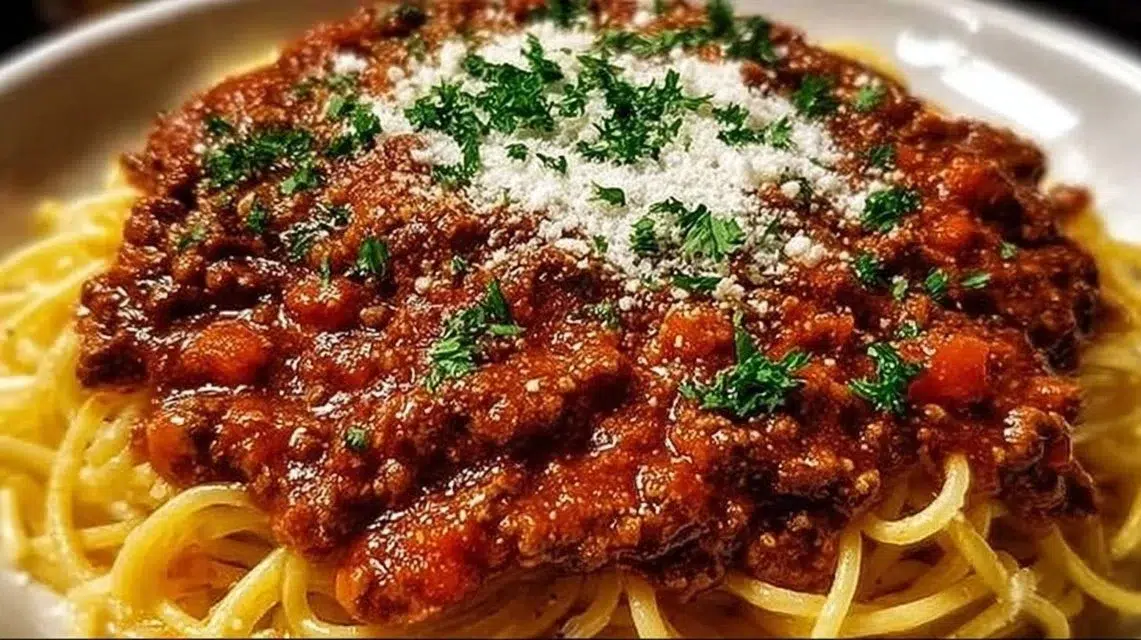
This 130-Year-Old Italian Spaghetti Sauce is rich, bright, and simple: bright crushed tomatoes mellowed by a little tomato paste, soft sweet onion, and just a touch of dried herbs. The texture is smooth with small onion pieces that melt into the sauce, creating a classic, comforting mouthfeel that clings to pasta. It’s special because it uses pantry basics to build deep flavor without long lists of steps or fancy tools, so it’s easy for weeknights or a slow Sunday dinner. Serve it over spaghetti or any pasta and finish with fresh basil for a bright, fresh note. If you like a meaty pasta, try it with a side of Asian-style ground beef spaghetti as a fast pairing idea or to mix flavors across meals. This sauce is forgiving, reliable, and a small set of ingredients gives you big, old-world taste.
Why You’ll Love This 130-Year-Old Italian Spaghetti Sauce
- Uses only pantry staples and one can of tomatoes for deep, classic flavor.
- Hands-off simmering after an easy start lets the sauce develop gently.
- Clean tomato taste balanced with a spoonful of tomato paste for richness.
- Simple herbs (oregano and basil) provide a familiar Italian flavor profile.
- Quick to make for weeknights but hearty enough for a family dinner.
- Flexible as a base: use it for pasta, simmered proteins, or as a pizza sauce.
- Fresh basil garnish lifts the sauce and adds a bright final note.
What Is 130-Year-Old Italian Spaghetti Sauce?
This is a straight-ahead tomato sauce inspired by a long tradition of Italian home cooking. It tastes like ripe tomatoes with a subtle sweetness from onions, a savory depth from tomato paste, and warm herb notes from dried oregano and basil. The cooking method is simple: soften onions in olive oil, add garlic, then pour in crushed tomatoes and simmer low and slow. The vibe is pure comfort food — perfect for weeknights, a cozy family dinner, or when you want a no-fuss sauce that tastes like it has been cooked for hours even when it hasn’t. It’s classic, clean, and made to be paired with spaghetti or any favorite pasta.
Ingredients for 130-Year-Old Italian Spaghetti Sauce
For the Base
- 2 tablespoons olive oil (about 30 mL)
- 1 onion, finely chopped
For the Sauce
- 2 garlic cloves, minced
- 1 can (28 ounces) crushed tomatoes (about 794 g)
- 1 tablespoon tomato paste (about 15 g)
- 1 teaspoon dried oregano
- 1 teaspoon dried basil
- Salt and pepper to taste
To Serve
- Fresh basil for garnish
Ingredient Notes (Substitutions, Healthy Swaps)
- Olive oil: Use light olive oil or avocado oil if you want a milder flavor; for lower fat, use 1 tablespoon and add 1–2 tablespoons of water when sautéing the onion.
- Onion: Yellow or sweet onion works best for a balanced sweetness; white onion is fine if that’s what you have.
- Garlic: Fresh minced garlic gives the best flavor. If you are out, 1/4 teaspoon garlic powder can substitute.
- Crushed tomatoes: Use quality canned crushed tomatoes for a smooth, consistent texture. Whole peeled tomatoes gently crushed by hand or with a spoon work in a pinch.
- Tomato paste: Boosts body and color. If you only have double-concentrated paste tubes, use the same amount.
- Dried herbs: If you have fresh oregano or basil, use 1 tablespoon chopped fresh instead of a teaspoon dried. Add fresh herbs near the end of simmering.
- Salt: If using a low-sodium canned tomato, taste and add more salt as needed. Pepper adds brightness; freshly cracked is best.
Step-by-Step Instructions
Step 1 – Heat the oil and soften the onion
Warm 2 tablespoons olive oil in a large saucepan over medium heat. Add the finely chopped onion and cook about 5 minutes, stirring occasionally, until the onion softens and becomes translucent.
Visual cue: Onions should look soft and glossy, not browned.
Step 2 – Add garlic
Stir in the minced garlic and cook for about 1 minute until fragrant. Keep the heat moderate so the garlic does not brown.
Step 3 – Add tomatoes and tomato paste
Pour in the 28-ounce can of crushed tomatoes and stir in 1 tablespoon tomato paste until it blends smoothly with the tomato base.
Step 4 – Season the sauce
Add 1 teaspoon dried oregano, 1 teaspoon dried basil, and salt and pepper to taste. Stir well to combine.
Step 5 – Simmer gently
Bring the sauce to a gentle simmer, then reduce the heat to low. Let the sauce cook on low for at least 30 minutes, stirring occasionally to prevent sticking and help flavors meld.
Pro cue: For a deeper flavor, simmer 45–60 minutes, stirring now and then; the sauce will thicken and darken slightly.
Step 6 – Taste and adjust
Adjust seasoning with more salt, pepper, or a pinch of sugar if the tomatoes taste too acidic. Stir in fresh basil leaves just before serving.
Step 7 – Serve
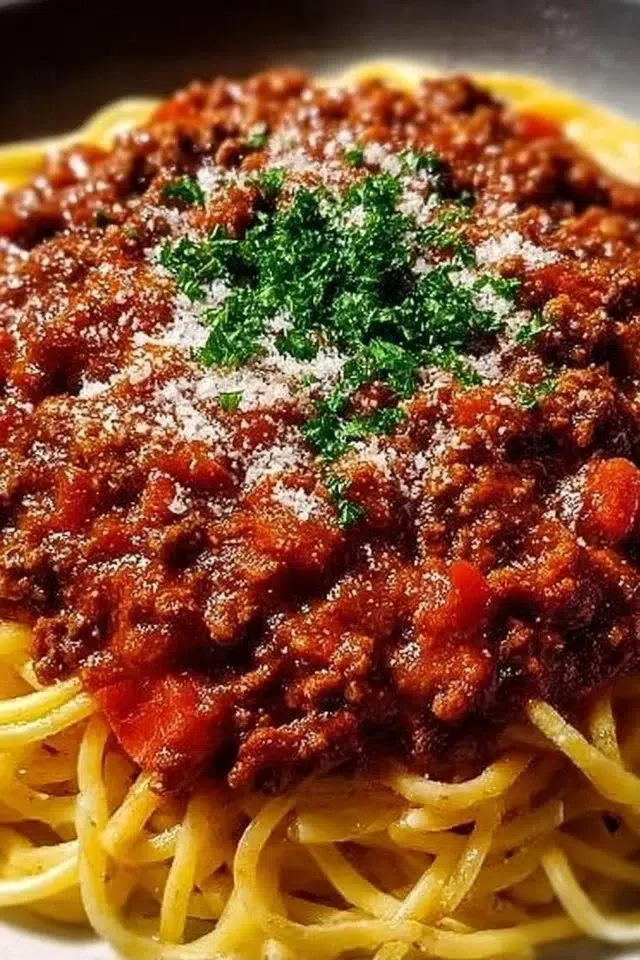
Serve over your favorite cooked pasta and garnish with fresh basil leaves.
Pro Tips for Success
- Use a wide, heavy-bottomed pan to encourage even simmering and prevent burning.
- Keep the heat low during the long simmer so the sauce develops flavor and does not reduce too fast.
- Stir every 8–10 minutes to avoid sticking, especially near the pot edges.
- Taste and season at the end — tomatoes vary in sweetness and acidity. Add salt slowly.
- If the sauce seems thin, simmer uncovered a bit longer; if too thick, add 1–2 tablespoons water or pasta cooking water.
- Fresh basil added at the end brightens the whole dish; tear leaves rather than slicing for better aroma release.
Flavor Variations
- OPTIONAL — Spicy: Add 1/4–1/2 teaspoon red pepper flakes with the dried herbs for heat.
- OPTIONAL — Caramelized onion boost: Start by cooking the onions longer over medium-low until golden for a sweeter, deeper sauce.
- OPTIONAL — Herby finish: Stir in a tablespoon of chopped fresh parsley or a few chopped fresh basil leaves right before serving.
- OPTIONAL — Mushroom add-in: Sauté 1 cup sliced mushrooms with the onions (add mushrooms to the ingredient list if you choose).
- OPTIONAL — Olive or caper twist: Stir in 1–2 tablespoons chopped olives or capers at the end for a salty, savory edge.
Serving Suggestions
- Toss with cooked spaghetti and a drizzle of extra virgin olive oil.
- Serve over a bed of cooked penne or rigatoni and top with grated Parmesan.
- Use as the base for meatballs or simmered chicken breasts.
- Spoon over roasted vegetables for a simple vegetarian plate.
- Ladle into a bowl with a crusty slice of bread for dipping — great for a light supper.
- Make a simple baked pasta: mix sauce with pasta, top with cheese, and bake until bubbly.
Make-Ahead, Storage & Reheating
- Make-ahead: The sauce can be cooked up to 3 days ahead and refrigerated. Flavors often improve after a day.
- Storage in fridge: Keep in an airtight container for up to 4 days.
- Reheating: Warm on the stovetop over low heat, stirring occasionally until just hot. Add a splash of water or pasta cooking water if the sauce has thickened too much.
- Texture change: The sauce will thicken as it cools; thinning with water when reheating restores silky texture.
Storage and Freezing Instructions
- Cool sauce completely before freezing to avoid ice crystals.
- Freeze in airtight containers or heavy-duty freezer bags for up to 3 months. Lay bags flat to save space and speed thawing.
- Thaw in the fridge overnight, then reheat gently on the stovetop.
- Freezing is recommended for this sauce; it freezes well because it has no dairy. If you plan to freeze, do not add fresh basil until after reheating — add fresh leaves after thawing for best flavor.
Nutrition Facts (Per Serving)
Calories | Protein | Carbs | Fat | Fiber | Sodium
— | —: | —: | —: | —: | —:
About 85 | 2 g | 6 g | 5 g | 2 g | 220 mg
Estimates vary by brands and portions.
FAQ About 130-Year-Old Italian Spaghetti Sauce
Q: Why is my sauce too thin?
A: Simmer longer uncovered to reduce and thicken, or stir in a small spoonful of tomato paste.
Q: Why is my sauce too thick?
A: Thin with 1–2 tablespoons of water or reserved pasta cooking water and stir to combine.
Q: How do I fix a bland sauce?
A: Add salt a little at a time. A pinch of sugar can balance acidity. Fresh herbs at the end brighten the taste.
Q: Can I add meat?
A: Yes. Brown ground beef or meatballs separately, then simmer them in the sauce to finish, but this changes the base to a meat sauce.
Q: How long should I simmer?
A: At least 30 minutes as written. For deeper flavor, simmer 45–60 minutes on low, stirring occasionally.
Q: Can I use fresh tomatoes?
A: You can, but use ripe tomatoes and cook longer to break them down; canned crushed tomatoes give consistent results and are faster.
Notes
- Use a spoon to spread a thin layer of olive oil on the pan before heating for even heat distribution.
- For brighter flavor, add a few torn basil leaves just before serving rather than during simmering.
- If you like a smoother sauce, blend briefly with an immersion blender after simmering.
- Save a cup of warm pasta water when cooking noodles; its starch helps the sauce cling to pasta.
- Warm bowls before serving to keep the sauce hot longer on the table.
Troubleshooting
- Bland flavor: Taste for salt and acid; add salt, a pinch of sugar, or a splash of vinegar to balance.
- Burnt bottom: Lower the heat and stir more often; transfer sauce to a clean pan if burnt bits are strong.
- Too acidic: A small pinch of sugar or a teaspoon of butter can soften sharp tomato acidity.
- Garlic burned: If garlic browns, it turns bitter; gently remove burned bits and start fresh garlic in a cleaner pan.
- Sauce separates (oily top): Stir vigorously and simmer a bit more; if oil floats, it will usually reincorporate when tossed with pasta.
Final Thoughts
This 130-Year-Old Italian Spaghetti Sauce proves that simple ingredients and gentle heat make a sauce anything but basic. It’s an easy, reliable option for everyday meals that tastes like home. With small adjustments you can customize it for family favorites, and it stores and freezes very well for quick weeknight dinners.
Conclusion
For a deeper read on time-tested tomato sauces and their history, see The 130-Year-Old Italian Spaghetti Sauce That’s Still Delicious Today.
130-Year-Old Italian Spaghetti Sauce
Ingredients
For the Base
- 2 tablespoons olive oil Use light olive oil or avocado oil for a milder flavor.
- 1 unit onion, finely chopped Yellow or sweet onion for balanced sweetness.
For the Sauce
- 2 cloves garlic, minced Fresh minced garlic gives the best flavor.
- 1 can crushed tomatoes (28 ounces) Use quality canned for a smooth texture.
- 1 tablespoon tomato paste If using double-concentrated paste tubes, use the same amount.
- 1 teaspoon dried oregano Replace with 1 tablespoon of fresh if available.
- 1 teaspoon dried basil Replace with 1 tablespoon of fresh if available.
- Salt and pepper to taste Adjust according to preference.
To Serve
- Fresh basil for garnish Tear leaves for better aroma release.
Instructions
Preparation
- Warm 2 tablespoons olive oil in a large saucepan over medium heat.
- Add the finely chopped onion and cook about 5 minutes, stirring occasionally, until the onion softens and becomes translucent.
- Stir in the minced garlic and cook for about 1 minute until fragrant.
Cooking the Sauce
- Pour in the 28-ounce can of crushed tomatoes and stir in 1 tablespoon of tomato paste until it blends smoothly.
- Add 1 teaspoon dried oregano, 1 teaspoon dried basil, and salt and pepper to taste. Stir well to combine.
- Bring the sauce to a gentle simmer, then reduce the heat to low and let the sauce cook on low for at least 30 minutes, stirring occasionally.
Finishing Touches
- Adjust seasoning with more salt, pepper, or a pinch of sugar if needed. Stir in fresh basil leaves just before serving.
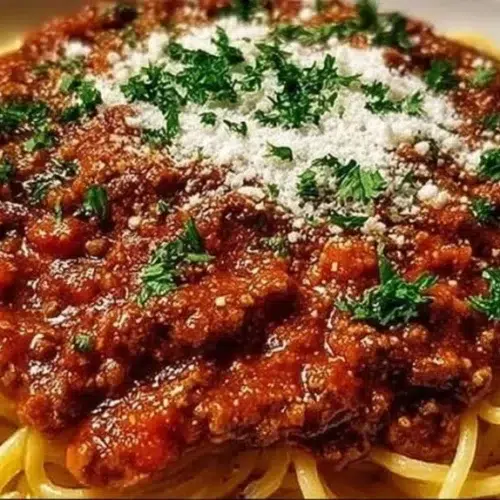
- Serve over your favorite cooked pasta and garnish with fresh basil.