
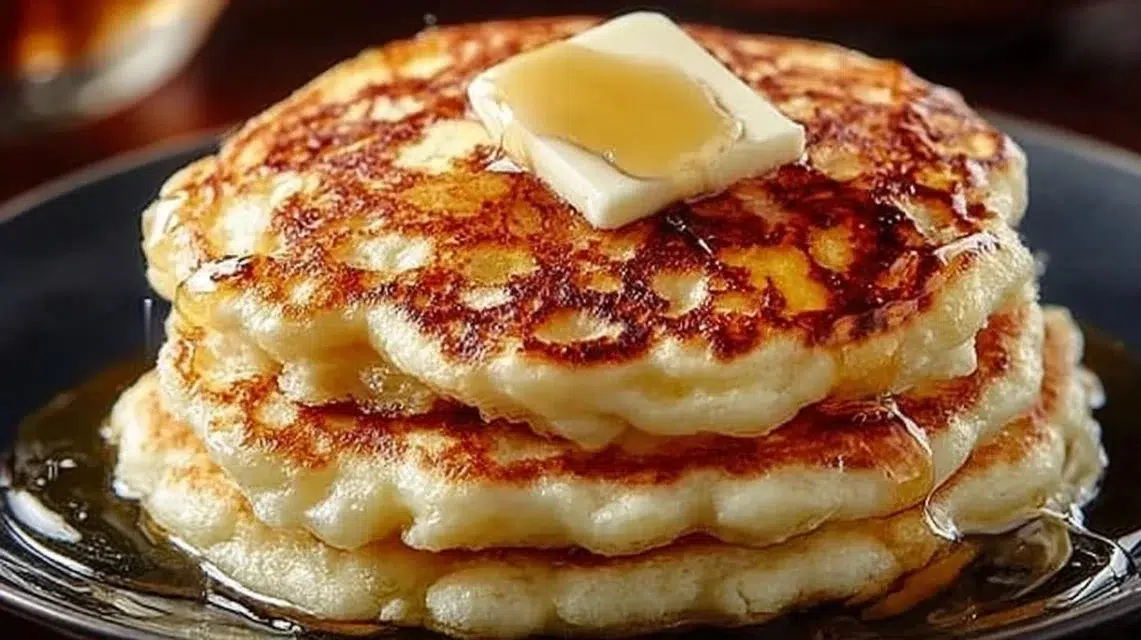
Old-fashioned pancakes are a warm, tender stack of comfort: slightly golden on the outside, soft and springy inside, with a mild sweet flavor that lets butter and syrup shine. This recipe uses simple pantry staples and a quick whisk-and-cook method, so you can have pancakes ready in about 20 minutes. They taste like a classic diner pancake — light, fluffy, and very approachable. Make a big stack for weekend brunch or a quick breakfast any day; try serving with butter, maple syrup, or fresh berries for a bright finish. For a crunchy side, pair them with crispy breakfast potatoes for a hearty plate.
Why You’ll Love This Old Fashioned Pancakes
- Uses just basic pantry ingredients you likely already have.
- Quick to mix and cooks fast — ready in about 20 minutes.
- Light and fluffy texture that still holds up under syrup and toppings.
- Mild, classic flavor that pairs with sweet or savory accompaniments.
- Easy to scale up for a crowd or scale down for one or two people.
- Flexible: add mix-ins or keep it plain for a reliable base.
- No special equipment needed — a whisk and a griddle or skillet are enough.
- Kid-friendly and great for a relaxed weekend brunch or a weekday treat.
What Is Old Fashioned Pancakes?
Old fashioned pancakes are the classic American-style breakfast pancakes you imagine from diners. They are made from a simple batter of flour, sugar, baking powder, salt, milk, egg, and melted butter. The result is pancakes that are slightly crisp at the edges and soft inside with a tender crumb. The cooking method is quick: pour batter on a preheated griddle or skillet, watch for bubbles, then flip once. The vibe is easy, homey comfort food — perfect for a relaxed weekend brunch, a quick family breakfast, or a nostalgic treat.
Ingredients for Old Fashioned Pancakes
For the Base
- 1 cup all-purpose flour
- 2 tablespoons granulated sugar
- 1 tablespoon baking powder
- 1/2 teaspoon salt
- 1 cup milk
- 1 large egg
- 2 tablespoons melted butter (plus more for cooking)
- 1 teaspoon vanilla extract (optional)
Ingredient Notes (Substitutions, Healthy Swaps)
- Milk: You can use low-fat milk or a plant milk (like almond or oat) for a lighter option. Texture will be slightly different but still good.
- Flour: All-purpose flour gives the classic texture. For a whole-grain option, try half whole-wheat and half all-purpose (expect denser pancakes).
- Sugar: Reduce to 1 tablespoon if you prefer less sweetness, or use a natural sweetener like maple syrup in the batter (optional).
- Butter: Melted butter adds flavor. You can substitute light oil (vegetable or canola) for a neutral taste and slightly lighter texture.
- Egg: For an egg-free version, use a commercial egg replacer or 1/4 cup mashed banana plus a little extra milk — pancakes may be a touch denser.
- Vanilla: Optional but recommended for flavor depth. If you skip it, the pancakes will still be classic and mild.
Step-by-Step Instructions
Step 1 – Mix dry ingredients.
In a medium bowl, whisk together the flour, sugar, baking powder, and salt until evenly combined. This ensures the leavening is distributed and prevents clumps.
Visual cue: The dry mix should look uniform and light in color.
Step 2 – Mix wet ingredients.
In another bowl, whisk the milk, egg, melted butter, and vanilla (if using) until smooth and slightly frothy. Make sure the melted butter is not too hot or it can cook the egg.
Visual cue: The wet mix will be glossy and uniform.
Step 3 – Combine wet and dry.
Pour the wet ingredients into the dry ingredients. Fold gently with a spatula or whisk until just combined. A few small lumps are fine — do not overmix. Overworking the batter makes pancakes tough.
Pro cue: Stop folding when you still see small streaks or lumps in the batter.
Step 4 – Preheat the griddle.
Heat a griddle or a large nonstick skillet over medium heat. Brush lightly with melted butter or a little oil. Test the heat by flicking a few drops of water — they should sizzle and dance.
Visual cue: The surface should be hot but not smoking.
Step 5 – Cook the pancakes.
Pour about 1/4 cup of batter per pancake onto the griddle. Cook until bubbles form on the surface and the edges look set, about 2–3 minutes. Flip carefully and cook the other side until golden brown, about 1–2 minutes more.
Pro cue: Flip once; avoid flipping too soon or too often to keep pancakes fluffy.
Step 6 – Keep warm and serve.
Place cooked pancakes on a plate and keep warm in a low oven (200°F / 95°C) if making a large batch. Serve warm with butter, syrup, fruit, or your choice of toppings.
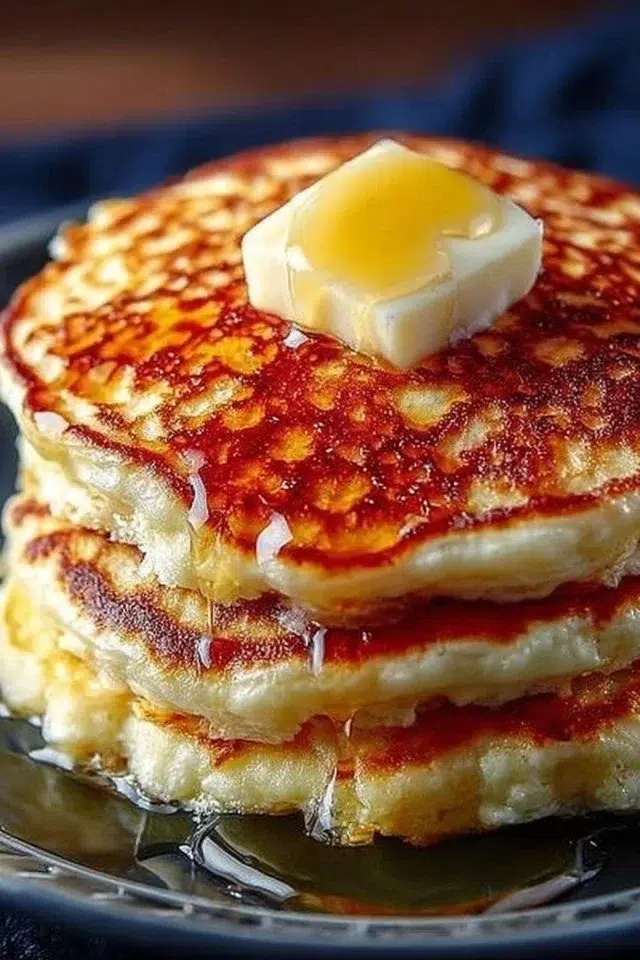
Visual cue: Pancakes should be golden on both sides and springy to the touch.
Pro Tips for Success
- Measure flour properly: spoon it into the cup and level it off. Too much flour makes dense pancakes.
- Keep the griddle at medium heat. Too hot and the outsides burn before the centers cook.
- Use a 1/4-cup scoop for consistent pancake sizes and even cooking.
- Don’t overmix the batter — a few lumps give a tender crumb.
- If batter thickens while you cook, stir gently and add a tablespoon of milk to loosen.
- Resting is optional: a 5–10 minute rest can help the batter hydrate and give slightly lighter pancakes.
- Use clarified butter or a little oil for cooking to avoid butter browning too quickly.
- For even browning, let the pan heat well before adding batter and avoid crowding the griddle.
Flavor Variations
- Blueberry (optional): Gently fold 1/2 cup fresh or frozen blueberries into the batter before cooking. No need to thaw frozen berries.
- Chocolate Chip (optional): Sprinkle a few chocolate chips onto each pancake after pouring batter on the griddle.
- Cinnamon Maple (optional): Add 1/2 teaspoon ground cinnamon to the dry ingredients and finish with maple syrup for a warm flavor.
- Lemon Ricotta (optional): Stir 2 tablespoons ricotta and 1 teaspoon lemon zest into the wet mix for a brighter, richer pancake — texture will be slightly denser.
- Banana (optional): Mash half a ripe banana and fold into the wet ingredients for a natural sweetener and mild flavor change.
- Savory Herb (optional): Omit sugar and add 1 tablespoon chopped chives and a pinch of black pepper to the batter for a savory twist.
Serving Suggestions
- Classic: Butter and warm maple syrup with a dusting of powdered sugar.
- Fruit-forward: Top with sliced bananas, berries, and a spoonful of yogurt.
- Protein plate: Serve with scrambled eggs and a side of crispy breakfast potatoes.
- Sweet and nutty: Add toasted nuts and a drizzle of honey or maple syrup.
- Brunch party: Stack pancakes and offer bowls of toppings (berries, nuts, whipped cream, syrup).
- Light finish: Serve with a lemony compote or fresh citrus segments for brightness.
Make-Ahead, Storage & Reheating
- Make-ahead: Mix the dry ingredients and store them in an airtight container for up to 1 month. Keep wet ingredients separate and combine when ready to cook. You can also make the batter and refrigerate for up to 2 hours before cooking.
- Fridge storage: Cooked pancakes keep in the refrigerator for up to 3 days in an airtight container or wrapped tightly.
- Reheating: Reheat pancakes in a 325°F (160°C) oven on a baking sheet for 5–10 minutes. You can also reheat individual pancakes in a single layer in a nonstick skillet over low heat or in the toaster for a slightly crisp edge.
- Texture changes: Refrigerated pancakes will firm up and may lose some springiness. Reheating in the oven or toaster helps restore texture and crisp the edges.
Storage and Freezing Instructions
- To freeze: Cool cooked pancakes completely on a rack, then layer with parchment paper in a freezer-safe bag or container. Freeze for up to 2 months.
- To reheat from frozen: Reheat directly from frozen in a 350°F (175°C) oven for 8–12 minutes, or toast on medium heat until warmed through.
- Thawing: If you prefer, thaw pancakes in the refrigerator overnight and reheat as above.
- If freezing is not recommended: Fresh pancakes are best within a few days for texture and flavor. Freezing is fine for convenience but may slightly reduce fluffiness compared to fresh-cooked.
Nutrition Facts (Per Serving)
Calories | Protein | Carbs | Fat | Fiber | Sodium
— | —:| —:| —:| —:| —:
~245 kcal | ~6.8 g | ~33 g | ~9 g | ~0.9 g | ~350 mg
Estimates vary by brands and portions.
FAQ About Old Fashioned Pancakes
Q: Why are my pancakes flat and dense?
A: Likely overmixing or too much liquid. Mix until just combined and measure flour properly.
Q: Why do my pancakes burn on the outside but stay raw inside?
A: The pan is too hot. Lower the heat to medium and allow the pancake to cook more slowly.
Q: How do I fix batter that is too thick?
A: Stir in a tablespoon of milk at a time until you reach a pourable consistency.
Q: How do I stop pancakes from sticking?
A: Use a well-seasoned nonstick pan or brush the pan lightly with butter or oil between batches.
Q: Can I make this recipe dairy-free?
A: Yes — use a plant milk and oil instead of butter. Texture will be slightly different but still tasty.
Q: How many pancakes does this recipe make?
A: Using 1/4-cup scoops, this makes about 4 medium pancakes (one stack serving). Multiply the recipe for more servings.
Notes
- For even cooking, keep pancakes similar in size and cook in batches at consistent heat.
- Warm plates in a low oven if serving multiple people so pancakes stay warm without overcooking.
- Use a light hand when flipping: slide a thin spatula under the pancake and flip confidently in one motion.
- If you want extra flavor, brown the melted butter before adding it to the wet ingredients for a nutty note.
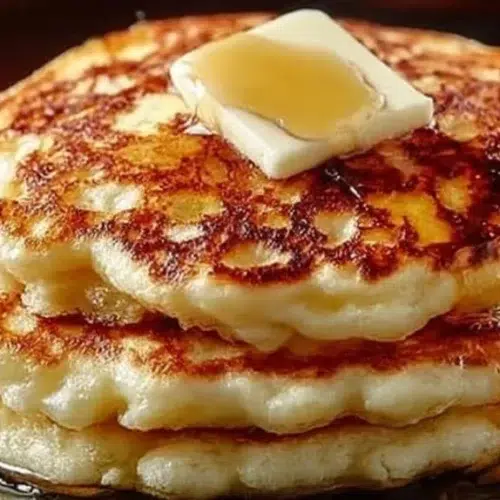
- For a restaurant look, stack pancakes, offset slightly, and add a pat of butter plus syrup poured at the table.
Troubleshooting
- Bland flavor: Add 1 teaspoon vanilla or a pinch of salt to enhance the taste. Finish with butter and syrup.
- Overcooked or dry pancakes: Lower the heat and reduce cook time; check doneness earlier.
- Batter too watery: Add a tablespoon of flour at a time until it thickens slightly.
- Pancakes fall apart when flipping: Batter may be undercooked or the pan too hot. Cook slightly longer before flipping and ensure the edges look set.
- Lumpy batter after mixing: Small lumps are fine. If very lumpy, fold gently until most lumps are gone — avoid vigorous stirring.
- Browning unevenly: Ensure the pan temperature is even and do not crowd the pan; rotate middle and outer pancakes if needed.
Final Thoughts
This old fashioned pancake recipe is a dependable, easy way to make a warm stack that everyone will enjoy. Simple ingredients and a gentle technique deliver light, tender pancakes that pair well with many toppings and sides. Try a few of the optional variations to keep this classic fresh and fun.
Conclusion
For a classic take and a quick how-to video, you can compare this method with the Good Old-Fashioned Pancakes Recipe (with Video) to see another simple approach and additional tips.
Old-Fashioned Pancakes
Ingredients
For the pancake batter
- 1 cup all-purpose flour For a whole-grain option, try half whole-wheat and half all-purpose.
- 2 tablespoons granulated sugar Reduce to 1 tablespoon for less sweetness if desired.
- 1 tablespoon baking powder
- 1/2 teaspoon salt
- 1 cup milk Can substitute with low-fat or plant-based milk.
- 1 large egg Use commercial egg replacer or 1/4 cup mashed banana for an egg-free version.
- 2 tablespoons melted butter Plus more for cooking.
- 1 teaspoon vanilla extract Optional, but recommended for flavor.
Instructions
Preparation
- In a medium bowl, whisk together the flour, sugar, baking powder, and salt until evenly combined.
- In another bowl, whisk the milk, egg, melted butter, and vanilla until smooth and slightly frothy.
- Pour the wet mixture into the dry mixture and gently fold until just combined, leaving some small lumps.
Cooking
- Preheat a griddle or nonstick skillet over medium heat and brush lightly with melted butter or oil.
- Pour about 1/4 cup of batter for each pancake onto the griddle. Cook until bubbles form and edges look set, about 2–3 minutes.
- Flip the pancakes carefully and cook the other side until golden brown, about 1–2 minutes.
- Keep cooked pancakes warm in a low oven while cooking the remaining batter.