
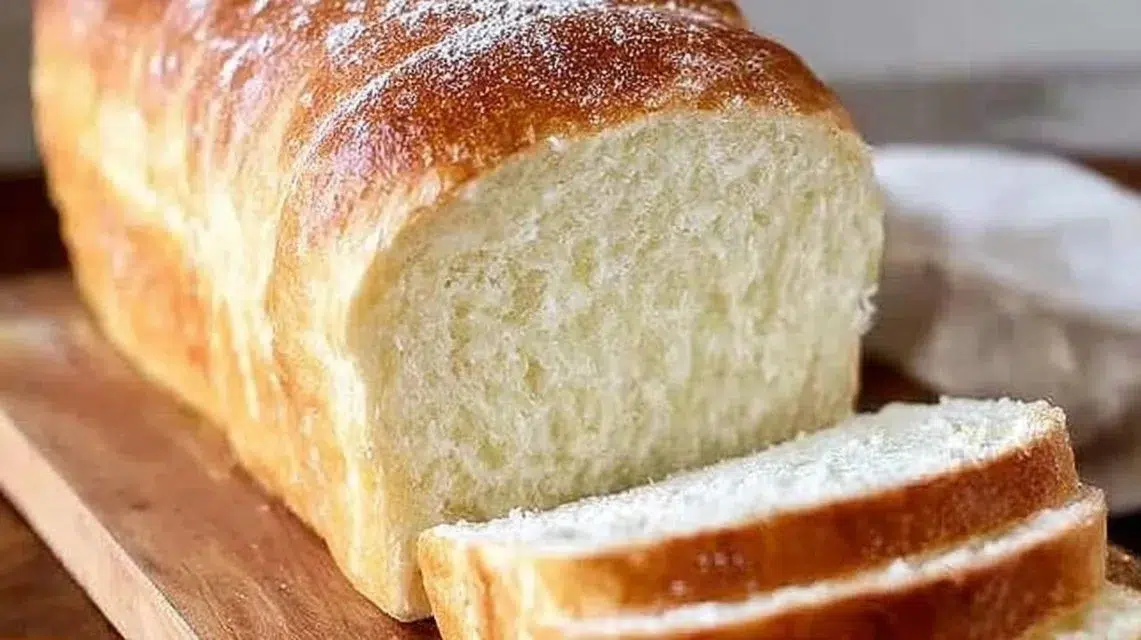
Baking a loaf of homemade bread fills the kitchen with warm, comforting smells and gives you a soft, golden loaf with a crunchy crust. This simple recipe yields tender, slightly sweet bread with a fine crumb that slices cleanly and toasts beautifully. It’s an easy, hands-on project for weeknights or slow weekend mornings — and it keeps well for sandwiches or just butter and jam. The method uses basic ingredients and a straightforward rise-knead-rise-bake routine, so even new bakers can succeed. For a sweet twist on kitchen baking, try pairing a slice with a fruit spread or coffee, or see a related banana bread idea at this moist cinnamon swirl banana bread recipe for more breakfast baking inspiration.
Why You’ll Love This Homemade Bread
- Uses simple pantry staples and one yeast proof for reliable rises.
- Soft inside with a crisp, golden crust — great for sandwiches or toast.
- Flexible dough: use all-purpose or bread flour depending on what you have.
- Mild sweetness from honey or sugar keeps it kid-friendly and versatile.
- Hands-on kneading builds confidence; the rest is mostly hands-off rising.
- Makes two loaves (in two pans) if you use standard loaf pans — perfect for sharing.
- Works well for toasting, French toast, grilled sandwiches, and more.
What Is Homemade Bread?
This homemade bread is a basic yeast loaf with a soft crumb and a thin, crunchy crust. It tastes lightly sweet and savory, with just enough honey or sugar to round the flavor without making it dessert-like. The bread is made by proofing active dry yeast in warm water, mixing a batter with oil, then gradually adding flour to form a smooth, elastic dough. You knead it until it stretches, let it rise until doubled, shape it into logs, let it rise again in loaf pans, and bake until golden. The vibe is classic comfort food — easy enough for a weeknight and warm enough for brunch or a cozy weekend baking project.
Ingredients for Homemade Bread
Main Ingredients
- 2 cups warm water (105–115 degrees F)
- 1 Tablespoon active dry yeast
- 1/4 cup honey or sugar
- 2 teaspoons salt
- 2 Tablespoons oil (canola or vegetable)
- 4 – 5 1/2 cups all-purpose or bread flour
Use the amounts as listed. The range in flour lets you control dough texture: start with 4 cups and add more until the dough is smooth and elastic.
Ingredient Notes (Substitutions, Healthy Swaps)
- Honey or sugar: Use either. Honey adds a mild floral note; sugar is neutral and cheaper. For a lower-sugar loaf, reduce to 2 tablespoons, but expect a slightly slower rise.
- Flour: Bread flour gives more chew and higher rise; all-purpose works fine and gives a softer crumb. If you use whole wheat, substitute up to half the flour and add a bit more water.
- Oil: Canola or vegetable oil is neutral. Olive oil will add flavor — use light or mild olive oil for a less assertive taste.
- Yeast: Active dry yeast is required here. If using instant yeast, reduce proof time and add it directly to the flour, but keep the same amount.
- Salt: Do not skip — it controls yeast and adds flavor. For low-sodium needs, reduce to 1 teaspoon but adjust expectations for flavor.
Step-by-Step Instructions
Step 1 – Proof the yeast
- Pour 2 cups of warm water (105–115°F) into a bowl.
- Stir in 1 Tablespoon active dry yeast and a pinch of the 1/4 cup honey or sugar.
- Let sit 5–10 minutes until foamy.
Visual cue: The surface should show an even layer of foam and smell yeasty. If nothing foams, the yeast may be dead — start over with new yeast.
Step 2 – Make the batter
- Stir the remaining honey or sugar, 2 teaspoons salt, and 2 Tablespoons oil into the foamy yeast mixture.
- Add 3 cups of flour and mix until you have a loose, sticky batter.
Visual cue: The mixture should leave the sides of the bowl but still be soft.
Step 3 – Add more flour
- Gradually add more flour, 1/4 cup at a time, mixing after each addition.
- Stop when the dough is smooth, not overly dry, and pulls away from the bowl.
Pro cue: Aim for a tacky but not sticky dough. You will use 4 to 5 1/2 cups total depending on humidity and your flour.
Step 4 – Knead the dough
- Turn the dough onto a lightly floured surface.
- Knead for 6–8 minutes until elastic and smooth.
Visual cue: The dough should stretch without tearing and feel slightly springy.
Step 5 – First rise
- Place the dough in an oiled bowl, turn once to coat the top, and cover with plastic wrap or a towel.
- Let rise in a warm spot until doubled in size, about 1–1.5 hours.
Pro cue: The dough is ready when a finger pressed into it leaves a shallow dent that slowly springs back.
Step 6 – Shape and second rise
- Punch down the dough gently to release air.
- Divide if making two loaves, shape into logs, and place them in greased loaf pans.
- Cover and let rise again until puffy and nearly doubled, about 30–45 minutes.
Visual cue: The loaves should hold an impression when tapped lightly.
Step 7 – Bake
- Preheat the oven to 350–375°F (use 350°F for a softer crust, 375°F for a crisper crust).
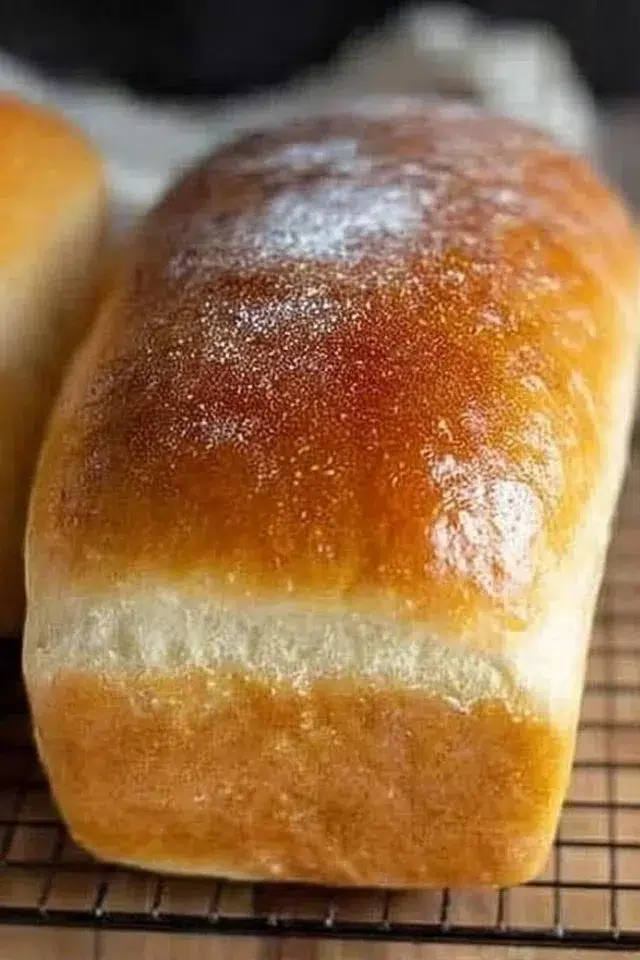
- Bake until the loaves are golden brown and sound hollow when tapped, about 25–35 minutes.
- Remove from pans and cool on a rack before slicing.
Pro cue: Internal temperature should be about 190–200°F for fully set crumb.
Pro Tips for Success
- Measure flour by spooning into the cup and leveling with a knife; avoid packing flour to keep dough from becoming too stiff.
- Water temperature matters: 105–115°F wakes yeast without killing it. Use a thermometer if unsure.
- If the dough is sticky, add flour in small amounts; you can always add more but can’t remove excess.
- For a crispier crust, place a shallow pan of hot water on the oven floor while baking for steam during the first 10 minutes.
- Let loaves cool fully before slicing to avoid gummy texture; the crumb sets as it cools.
- Use a sharp, serrated knife to slice cleanly without crushing the loaf.
- If your kitchen is cool, proof dough in the oven with just the light on for a warm, draft-free spot.
Flavor Variations
- OPTIONAL: Honey-Oat Top — Brush loaves with a little honey before baking and sprinkle rolled oats on top for texture.
- OPTIONAL: Herb Loaf — Add 1–2 teaspoons dried herbs (rosemary or thyme) to the dough for savory flavor.
- OPTIONAL: Garlic-Butter Swirl — Mix a small amount of softened butter with garlic powder, spread on rolled dough before shaping for a subtle garlic pull-apart effect.
- OPTIONAL: Olive Oil and Sea Salt — Use olive oil and sprinkle coarse sea salt on top for a Mediterranean twist.
- OPTIONAL: Cinnamon-Sugar — Roll dough thin, sprinkle cinnamon-sugar, then roll up and bake for a sweet loaf. (Keep this optional — the base recipe stays the same.)
Serving Suggestions
- Slice and serve warm with butter, jam, or honey for breakfast.
- Make classic grilled cheese or deli sandwiches for lunch.
- Toast slices and top with mashed avocado and a pinch of salt for a quick snack.
- Serve alongside soup or stew to soak up broths at dinner.
- Use day-old slices to make French toast or cubed for salad croutons.
- Bring a warm loaf to a potluck — it’s an easy, crowd-pleasing gift.
Make-Ahead, Storage & Reheating
- Make-ahead: You can mix and knead the dough, shape into loaves, then refrigerate for up to 24 hours for a slow cold rise. Let come to room temperature and rise before baking.
- Short-term storage: Store at room temperature, wrapped in a clean towel or in a bread box, up to 2–3 days for best texture.
- Fridge: Bread will keep 4–6 days in the refrigerator but will dry out faster. Wrap tightly in plastic or a zip bag.
- Reheating: Slice and toast, or warm the whole loaf in a 300°F oven for 10–15 minutes wrapped in foil. For a fresh crust, unwrap for the last 5 minutes.
- Texture changes: Refrigeration firms the starches, making the bread stale faster; to refresh, toast or warm as noted.
Storage and Freezing Instructions
- Freezing: Cool loaves completely, then wrap tightly in plastic wrap and a layer of foil or a freezer bag. Freeze up to 3 months.
- Thawing: Thaw at room temperature for a few hours or overnight in the fridge. Reheat in a 300°F oven for 10–15 minutes to refresh crust.
- Sliced freezing: Slice before freezing and separate slices with parchment paper for quick toasting.
- If you prefer not to freeze: Store at room temperature and consume within 2–3 days or make smaller loaves to finish faster.
Nutrition Facts (Per Serving)
Calories | Protein | Carbs | Fat | Fiber | Sodium
260 | 7 g | 46 g | 4 g | 2 g | 220 mg
Estimates vary by brands and portions.
FAQ About Homemade Bread
Q: My dough is too sticky. What should I do?
A: Add flour 1 tablespoon at a time while kneading until it is tacky but not sticky. Avoid adding too much at once.
Q: The bread didn’t rise. Why?
A: Yeast may be old or water too hot/cold. Proof yeast in warm water (105–115°F) and look for foam in 5–10 minutes.
Q: The crust is too hard. How can I soften it?
A: Bake at the lower end (350°F) and brush with butter when it comes out of the oven. Store wrapped to keep crust soft.
Q: How do I tell when the bread is done?
A: It should be golden brown and sound hollow when tapped. Internal temp should reach about 190–200°F.
Q: Can I use instant yeast instead?
A: Yes. If using instant yeast, you can mix it with the dry ingredients and skip the initial proofing step. Keep quantities the same.
Q: Can I make this in a bread machine?
A: This recipe is meant for hand-kneading and oven baking. Use a bread machine recipe and cycle sizes if you want to adapt, but keep ingredients ratios similar.
Notes
- Use a digital thermometer to check water and bread temp for predictable results.
- For even loaves, gently press dough to the width of your loaf pan before placing it in.
- For shiny tops, brush with a light egg wash (OPTIONAL) before baking — note this adds eggs not in the base recipe.
- Keep an eye on oven hot spots; rotate pans halfway through if needed.
- Label wrapped frozen loaves with the date to use older loaves first.
Troubleshooting
- Bread is dense: Likely under-kneaded or not enough rise time. Knead longer and let dough double fully.
- Bread too dry or crumbly: Too much flour was added. Add water by teaspoon during kneading if needed.
- Burnt bottom: Oven may run hot or pan too low. Move rack up or lower oven temp slightly.
- Yeast fails to foam: Water was too hot or yeast is expired. Start again with fresh yeast and correct water temp.
- Soggy middle: Underbaked or dough was too wet. Bake a little longer and test for hollow sound or internal temp.
- Loaf collapses after baking: Overproofed dough or oven temp too low. Reduce second rise time slightly and ensure oven is fully preheated.
Final Thoughts
This homemade bread recipe is a reliable, simple way to enjoy fresh-baked loaves with basic pantry ingredients. It balances ease and flavor, and it’s easy to adapt with optional add-ins. With a little practice on kneading and timing, you’ll have consistent, soft loaves perfect for daily meals.
Conclusion
If you want another clear step-by-step version to compare techniques or measurements, see Homemade Bread Recipe – Tastes Better from Scratch.
Homemade Bread
Ingredients
Main Ingredients
- 2 cups warm water (105–115 degrees F)
- 1 Tablespoon active dry yeast Use instant yeast with adjustments if preferred.
- 1/4 cup honey or sugar Honey adds flavor; sugar is neutral.
- 2 teaspoons salt Essential for flavor and controlling yeast.
- 2 Tablespoons oil (canola or vegetable) Olive oil for flavor, if preferred.
- 4 – 5 1/2 cups all-purpose or bread flour Start with 4 cups, adding more as needed.
Instructions
Proof the yeast
- Pour 2 cups of warm water into a bowl.
- Stir in 1 Tablespoon active dry yeast and a pinch of honey or sugar.
- Let sit for 5–10 minutes until foamy.
Make the batter
- Add remaining honey or sugar, salt, and oil to the yeast mixture.
- Mix in 3 cups of flour until you have a loose, sticky batter.
Add more flour
- Gradually add more flour, 1/4 cup at a time, until the dough is smooth and pulls away from the bowl.
Knead the dough
- Turn the dough onto a lightly floured surface.
- Knead for 6–8 minutes until elastic and smooth.
First rise
- Place the dough in an oiled bowl, coat with oil, and cover with plastic wrap.
- Let rise in a warm spot until doubled in size, about 1–1.5 hours.
Shape and second rise
- Punch down the dough and divide if making two loaves.
- Shape into logs and place in greased loaf pans.
- Cover and let rise until puffy and nearly doubled, about 30–45 minutes.
Bake
- Preheat the oven to 350–375°F.
- Bake until golden brown and sounding hollow when tapped, about 25–35 minutes.
- Remove from pans and cool before slicing.