
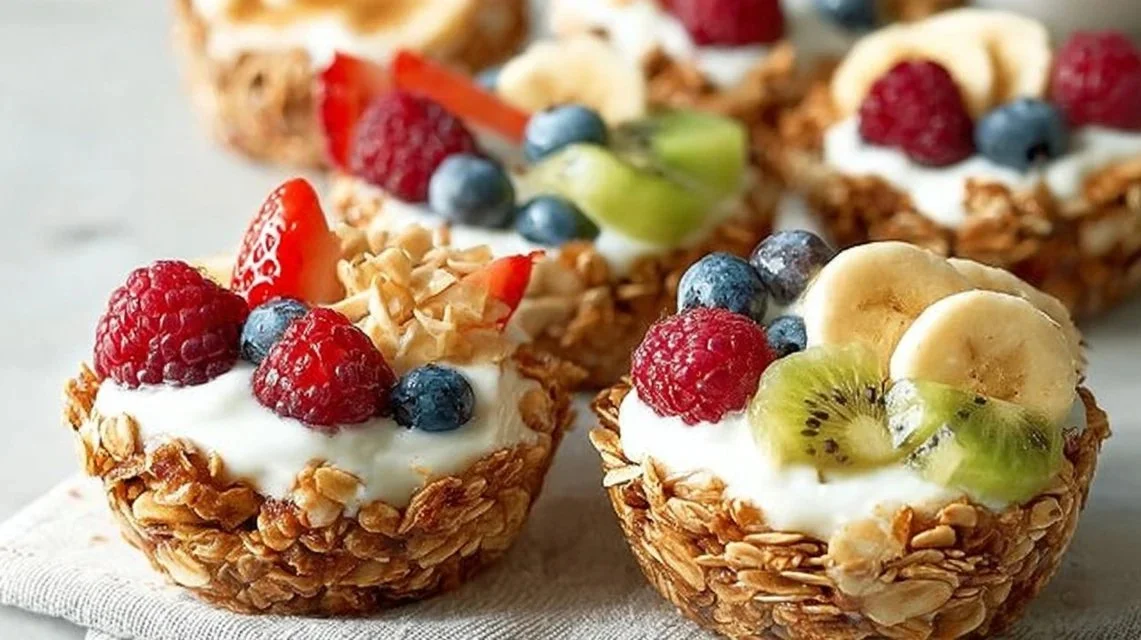
Healthy make-ahead breakfasts are a lifesaver on busy mornings. They bring warm, savory flavors and satisfying textures — soft eggs, melty cheese, crisp veggies, and hearty bread or casserole bites. These ideas are easy to make ahead, freeze or refrigerate, then reheat in minutes for a hot, filling meal. They work for quick solo breakfasts, packed lunches, or a simple brunch spread. If you enjoy grab-and-go bars too, try the banana oatmeal bars recipe for a sweeter option: banana oatmeal bars.
Why You’ll Love This Healthy Make-Ahead Breakfast Ideas
- Hands-off mornings: assemble or cook ahead, then reheat quickly.
- Built-in protein: eggs and cooked meats keep you full.
- Veggie boost: spinach, peppers, or onions add color and nutrients.
- Flexible: make sandwiches, keto-style plates, or a large casserole.
- Easy storage: fridge or freezer friendly for several days to weeks.
- Kid-friendly: simple flavors that reheat well.
- Budget smart: use leftover cooked meats and whatever veggies you have.
- Customizable cheese and seasonings for mild to bold tastes.
What Is Healthy Make-Ahead Breakfast Ideas?
Healthy make-ahead breakfast ideas are a set of simple dishes you prepare ahead to save morning time. Expect savory, warm flavors: creamy cooked eggs, melted cheese, tender vegetables, and the salty snap of cooked meats when used. Textures range from soft and gooey in sandwiches to firm and sliceable in casseroles. The basic cooking methods are stovetop for fillings, oven baking for casseroles, and quick reheating for sandwiches. The vibe is practical comfort food — great for busy weeknights, weekday mornings, or casual weekend brunches where you want good flavor and low fuss.
Ingredients for Healthy Make-Ahead Breakfast Ideas
For Breakfast Sandwiches
- Bread (for sandwiches)
- Eggs
- Cheese
- Vegetables (like spinach, peppers, or onions)
- Cooked meats (like bacon or sausage)
- Butter or oil (for cooking)
- Seasonings (salt, pepper, etc.)
For Keto Breakfasts
- Eggs
- Cheese
- Vegetables (low-carb choices like spinach, peppers, or onions)
- Cooked meats (like bacon or sausage)
- Butter or oil (for cooking)
- Seasonings (salt, pepper, etc.)
For Breakfast Casseroles
- Casserole ingredients (like potatoes, grains, or additional proteins as desired)
- Eggs
- Cheese
- Vegetables (like spinach, peppers, or onions)
- Cooked meats (like bacon or sausage)
- Butter or oil (for cooking)
- Seasonings (salt, pepper, etc.)
Ingredient Notes (Substitutions, Healthy Swaps)
- Bread: use whole grain or sprouted bread for more fiber, or gluten-free sandwich bread if needed.
- Eggs: swap in egg whites or a mix of whole eggs and whites for lower fat.
- Cheese: choose sharp cheddar, mozzarella, feta, or a dairy-free alternative if you avoid dairy.
- Vegetables: use whatever you have — spinach, bell peppers, onions, mushrooms, or tomatoes. Sauté harder veggies first.
- Cooked meats: use chicken, turkey sausage, or a plant-based sausage for a non-pork option; bacon is fine if you prefer it.
- Butter or oil: olive oil, avocado oil, or butter all work; for keto, use higher-fat choices like butter.
- Seasonings: add herbs like parsley or chives, or a pinch of smoked paprika for depth.
- Casserole ingredients: potatoes add heft; cooked grains like quinoa or farro add fiber and texture.
Step-by-Step Instructions
Step 1 – Prep and cook fillings
- Chop vegetables and cook them in a skillet with a small amount of butter or oil until softened. Remove and set aside. Cook any raw meats until fully done; if using pre-cooked meats, warm briefly.
Visual cue: vegetables should be tender and meat browned.
Step 2 – Cook eggs
- For sandwiches: scramble, fry, or make thin folded omelets to fit the bread. For casseroles: beat eggs in a bowl and season lightly.
Pro cue: add a pinch of salt to eggs before cooking for better texture.
Step 3 – Assemble sandwiches or casserole
- For sandwiches: layer eggs, cheese, vegetables, and cooked meats on bread. Wrap each sandwich tightly in foil for reheating.
- For casseroles: layer casserole ingredients, vegetables, cooked meats, and cheese in a baking dish. Pour beaten eggs evenly over the top. Season.
Visual cue: casserole looks evenly covered with egg mixture.
Step 4 – Bake casseroles
- Bake the casserole in a preheated oven until eggs are set and top is lightly browned. Timing depends on dish size; a 9×13 dish commonly takes 30–45 minutes. Check center for doneness.
Pro cue: insert a knife in the center — it should come out clean when set.
Step 5 – Cool, store, and label
- Let casseroles cool before slicing. Wrap sandwiches in foil or place in airtight containers. Label with date before storing in the fridge or freezer.
Visual cue: food should be room temperature before freezing to avoid ice crystals.
Pro Tips for Success
- Use low heat when cooking eggs to keep them tender and avoid rubbery texture.
- Sauté vegetables until they are mostly cooked — they continue to cook when reheated.
- Cool casseroles completely before wrapping to keep ice crystals out of frozen portions.
- For even reheating, slice casseroles into single portions before freezing.
- Wrap sandwiches tightly in foil to prevent freezer burn and make reheating in an oven or toaster oven easy.
- Use a thermometer if unsure: casseroles are done when internal temp reaches 160°F (71°C).
- Add cheese later in the bake for a melty top, or add at assembly for gooey layers in sandwiches.
- Spice layers lightly; flavors concentrate after sitting, so start with moderate seasoning.
Flavor Variations
- Mediterranean (optional): add spinach, onions, and feta cheese to eggs and use grains like cooked quinoa in the casserole.
- Southwestern (optional): mix sautéed peppers and onions with cheese and a pinch of cumin or chili powder. Add cooked sausage if desired.
- Veggie-forward (optional): load with mushrooms, bell peppers, and spinach. Skip meats for a vegetarian option.
- Keto-style (optional): skip bread, serve eggs, cheese, and meats in a box or make the casserole with low-carb vegetables only.
- Breakfast melt (optional): add a slice of cheese on top of the assembled sandwich and toast briefly so the cheese melts and edges are crisp.
- Hearty potato (optional): add thinly sliced or diced cooked potatoes to the casserole for more comfort-food texture.
Serving Suggestions
- Serve wrapped sandwiches with a side of fresh fruit for balance.
- Plate casserole slices with a simple green salad for a light brunch.
- Pair keto breakfasts with avocado slices and a hot cup of coffee.
- Pack individual sandwiches for work lunches or quick post-work workouts.
- Offer small bowls of hot sauce or salsa for guests who like extra flavor.
- For weekend brunch, set out a toppings bar: chopped herbs, extra cheese, and warmed meats.
Make-Ahead, Storage & Reheating
- Make-ahead options: assemble sandwiches and wrap in foil, or bake the casserole and cool before storing. You can also prepare fillings and store them separately for quick assembly in the morning.
- Refrigerator storage: keep sandwiches or casserole slices in airtight containers for up to 4 days.
- Reheating best practices: for sandwiches, unwrap and reheat in a 350°F oven or toaster oven for 10–15 minutes until hot. For casserole slices, cover with foil and reheat at 350°F for 12–18 minutes. Microwaves work for quick reheating but may soften bread or crusts.
- Texture changes: reheated eggs can become slightly firmer and drier. Use moderate heat and brief times to keep eggs tender.
Storage and Freezing Instructions
- Freezing instructions: wrap individual sandwiches tightly in foil and place in a freezer-safe bag; freeze up to 2 months. Freeze casserole slices in single portions with parchment between slices, in airtight containers, up to 2 months.
- Thawing: move frozen items to the refrigerator overnight before reheating for best texture. For quick thaw, reheat from frozen in a 350°F oven, adding extra time (20–30 minutes) until heated through.
- If freezing is not recommended: none — these options freeze well. If you prefer not to freeze, refrigerate and use within 4 days.
Nutrition Facts (Per Serving)
Calories | Protein | Carbs | Fat | Fiber | Sodium
350 kcal | 18 g | 20 g | 24 g | 2 g | 600 mg
Estimates vary by brands and portions.
FAQ About Healthy Make-Ahead Breakfast Ideas
Q: My sandwiches get soggy after reheating. How do I avoid that?
A: Cool fillings before wrapping, or reheat sandwiches uncovered in a 350°F oven or toaster oven to crisp the bread.
Q: The casserole is too wet or watery. What went wrong?
A: That often means too many watery vegetables or not enough egg binder. Sauté vegetables first to release and reduce moisture.
Q: How can I make a low-carb option?
A: Skip bread and focus on eggs, cheese, veggies, and meats; bake in a casserole dish with low-carb vegetables only.
Q: Can I use pre-cooked eggs?
A: You can use pre-cooked scrambled eggs, but fresh-cooked eggs tend to reheat and hold texture better.
Q: How do I tell when the casserole is done?
A: Insert a knife — it should come out clean. Center should be set and not jiggle; internal temp around 160°F (71°C).
Q: What’s the best cheese for reheating?
A: Cheddar, mozzarella, and Monterey Jack melt well and reheat without becoming greasy.
Notes
- If using spinach, squeeze excess water after cooking to avoid watering down the mix.
- Label containers with the date to track freshness.
- For easy morning meals, pre-slice casseroles into single portions before storing.
- Use foil with a small fold to vent slightly when reheating in the oven to keep a crisp top.
- Mix seasonings into eggs for even flavor through the dish.
Troubleshooting
- Bland flavor: increase salt slightly or add a pinch of herbs or pepper. Add a topping like salsa.
- Overcooked eggs: cook low and slow; if reheating, use moderate oven temps, not long microwave blasts.
- Watery casserole: pre-cook vegetables, especially mushrooms and onions, to reduce moisture.
- Burned bottoms: use a nonstick pan or moderate heat and move eggs frequently.
- Freezer burn: wrap tightly in foil and place in sealed freezer bags; remove excess air.
- Cheese separation: use cheeses that melt smoothly like cheddar or mozzarella; avoid ultra-processed shreds that can be oily when reheated.
Final Thoughts
Make-ahead breakfasts give you warm, tasty morning meals with very little fuss. They save time, use simple ingredients, and adapt to what you already have on hand. With a little planning, you can enjoy varied, satisfying breakfasts all week.
Conclusion
For more make-ahead ideas and tips from a professional perspective, check this helpful guide on I’m a Dietitian & These Are the Breakfasts I Make Ahead.
Healthy Make-Ahead Breakfast Ideas
Ingredients
For Breakfast Sandwiches
- 4 slices Bread (for sandwiches) Choose whole grain, sprouted, or gluten-free options.
- 4 large Eggs Can substitute with egg whites.
- 1 cup Cheese Use sharp cheddar or mozzarella.
- 1 cup Vegetables (spinach, peppers, or onions) Can use any available veggies.
- 4 oz Cooked meats (bacon or sausage) Substitute with chicken or turkey for a lighter option.
- 1 tbsp Butter or oil For cooking.
- to taste Seasonings (salt, pepper, etc.)
For Keto Breakfasts
- 4 large Eggs Can substitute with egg whites.
- 1 cup Cheese Use sharp cheddar or mozzarella.
- 1 cup Vegetables (low-carb choices) Spinach, peppers, or onions.
- 4 oz Cooked meats (bacon or sausage) Substitute with chicken or plant-based options.
- 1 tbsp Butter or oil For cooking.
- to taste Seasonings (salt, pepper, etc.)
For Breakfast Casseroles
- 2 cups Casserole ingredients (potatoes, grains, etc.) Can add cooked quinoa or farro.
- 8 large Eggs Can substitute with egg whites.
- 1 cup Cheese Use sharp cheddar or mozzarella.
- 1 cup Vegetables (spinach, peppers, or onions) Use whatever you have available.
- 4 oz Cooked meats (bacon or sausage) Substitute with chicken or turkey for a lighter option.
- 1 tbsp Butter or oil For cooking.
- to taste Seasonings (salt, pepper, etc.)
Instructions
Preparation
- Chop vegetables and cook them in a skillet with a small amount of butter or oil until softened.
- Cook any raw meats until fully done; if using pre-cooked meats, warm briefly.
Cooking Eggs
- For sandwiches: scramble, fry, or make thin folded omelets to fit the bread.
- For casseroles: beat eggs in a bowl and season lightly.
Assembly
- Layer eggs, cheese, vegetables, and cooked meats on bread for sandwiches, then wrap each tightly in foil.
- Layer casserole ingredients, vegetables, cooked meats, and cheese in a baking dish, then pour beaten eggs evenly over the top, seasoning as needed.
Baking
- Bake the casserole in a preheated oven until eggs are set and the top is lightly browned.
Cooling and Storing
- Let casseroles cool before slicing and wrap sandwiches in foil or place in airtight containers.
- Label containers with the date before storing in the fridge or freezer.