
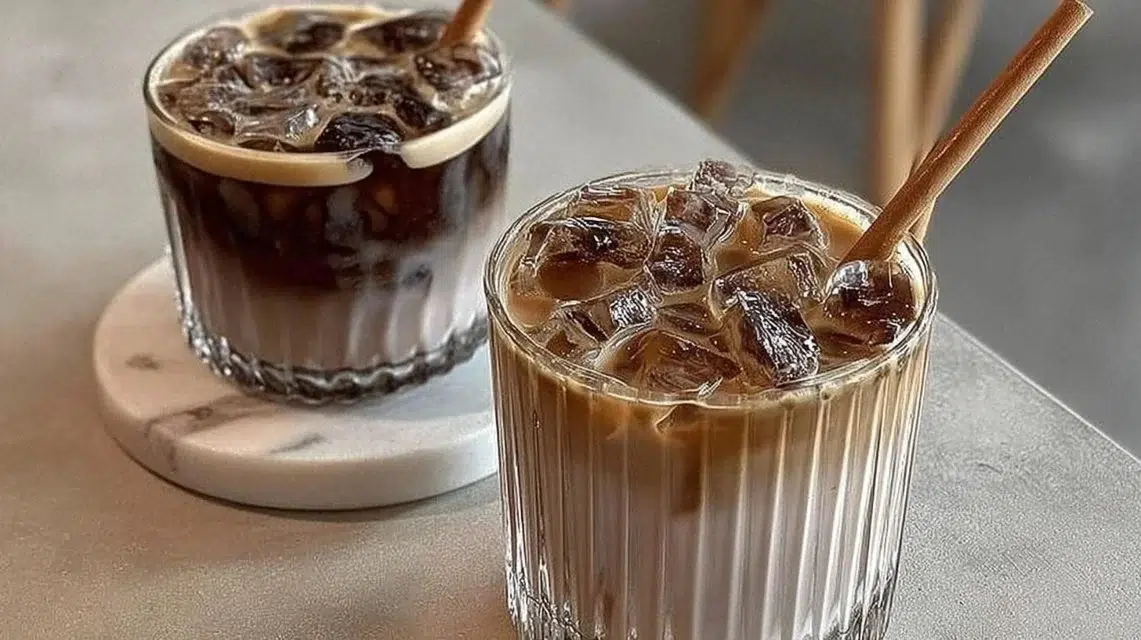
Making a great cup of coffee at home means fresh aroma, a clean flavor, and a smooth texture you can tweak to fit your morning. This recipe gives you an easy process: boil water, add coffee grounds to your coffee maker or French press, pour hot water, steep, and serve. The result is bright, balanced coffee with a simple mouthfeel that is easy to adjust with milk or sugar. It’s quick, reliable, and made with pantry staples. If you enjoy home-friendly recipes, consider pairing it with a savory weekday dinner like our black pepper chicken recipe for a full, simple meal.
Why You’ll Love This Make Coffee at Home
- Simple steps anyone can follow: boil, steep, pour, enjoy.
- Clean, familiar coffee flavor that highlights your beans.
- Fast: ready in about 5 minutes for most methods.
- Flexible: works with a drip coffee maker or French press.
- Easy to customize with milk or sugar to suit taste.
- Minimal gear and ingredients required—great for small kitchens.
- Consistent results once you learn water temperature and steep time.
- Scales easily: make one cup or a full carafe.
What Is Make Coffee at Home?
This recipe is a basic guide to brewing coffee using coffee grounds, hot water, and optional milk or sugar. The taste is straightforward: you’ll get the natural roasted notes of the coffee beans, a medium body, and a bright finish when brewed correctly. Texture is smooth when steeped the right amount of time; adding milk softens acidity and adds a creamy mouthfeel.
The method is flexible: use a standard coffee maker or a French press. It has a relaxed, everyday vibe—perfect for weekday mornings, slow weekend brunches, or a quick afternoon pick-me-up. The goal is a dependable, satisfying cup that you can finish or dress up with milk and sugar.
Ingredients for Make Coffee at Home
For the Base
- Coffee grounds (use your favorite roast)
- Water
Optional Add-ins
- Milk (optional)
- Sugar (optional)
Ingredient Notes (Substitutions, Healthy Swaps)
- Coffee grounds: Use any grind that matches your brewing device. Medium grind for drip makers; coarser for French press. Freshly ground beans give the best flavor.
- Water: Use filtered water if your tap tastes strong. Water quality affects flavor more than you think.
- Milk (optional): Swap whole milk for skim, oat, almond, or soy to fit diet needs. Plant milks will thin the texture slightly and add their own flavor.
- Sugar (optional): Try honey, maple syrup, or a low-calorie sweetener if you want fewer calories. Add sparingly and taste as you go.
Step-by-Step Instructions
Step 1 – Heat the water
Bring fresh water to a near-boil. If you have a thermometer, heat to about 200°F (just off boiling). If you don’t, let a full boil sit for 30 seconds before pouring.
Visual cue: Small bubbles and steam rising, not a rolling boil.
Step 2 – Add coffee grounds
Place coffee grounds in your coffee maker basket or French press. Use about 1 to 2 tablespoons of grounds per 6 ounces of water, adjusting to taste. For a standard cup (8 ounces), use about 1.5 tablespoons.
Visual cue: Grounds should smell fresh and evenly spread.
Step 3 – Pour hot water
Slowly pour the hot water over the grounds. For a French press, pour evenly to wet all grounds. For a coffee maker, start the brew cycle as usual.
Visual cue: Grounds bloom slightly in French press; surface should look wet and aromatic.
Step 4 – Let it steep
Let the coffee steep for a few minutes. For drip, follow the machine’s cycle. For French press, steep 3–4 minutes, then press the plunger down slowly.
Pro cue: For stronger coffee, add 30–60 seconds of steep time, not more than 5 minutes for French press to avoid excessive bitterness.
Step 5 – Pour into a cup
Serve the coffee immediately to enjoy the best aroma and flavor. Pour slowly to avoid splashing and to allow any settled grounds to stay in the press.
Visual cue: The liquid should be smooth and consistent in color.
Step 6 – Add milk and sugar if desired
Stir in milk or sugar to taste. Start with a splash of milk and 1/2 teaspoon of sugar, then adjust.
Pro cue: Cold milk will cool the coffee quickly; warm the milk slightly for a more even drink.
Pro Tips for Success
- Use fresh beans and grind shortly before brewing for maximum flavor.
- Measure coffee and water by volume until you learn your perfect ratio.
- Use water just off a full boil (about 200°F) to extract the right flavors.
- Clean your coffee maker or press regularly to avoid old oil buildup that makes coffee taste stale.
- For a brighter cup, use slightly less coffee or a shorter steep time.
- Warm your mug with hot water before pouring to keep your drink hotter longer.
- Don’t over-steep in a French press—bitterness increases after 5 minutes.
- Taste and adjust slowly—small changes make big differences.
Flavor Variations
- OPTIONAL: Cinnamon twist — add a pinch of ground cinnamon to the grounds before brewing for warm spice notes.
- OPTIONAL: Vanilla hint — stir in a drop of vanilla extract with hot coffee for a sweet aroma.
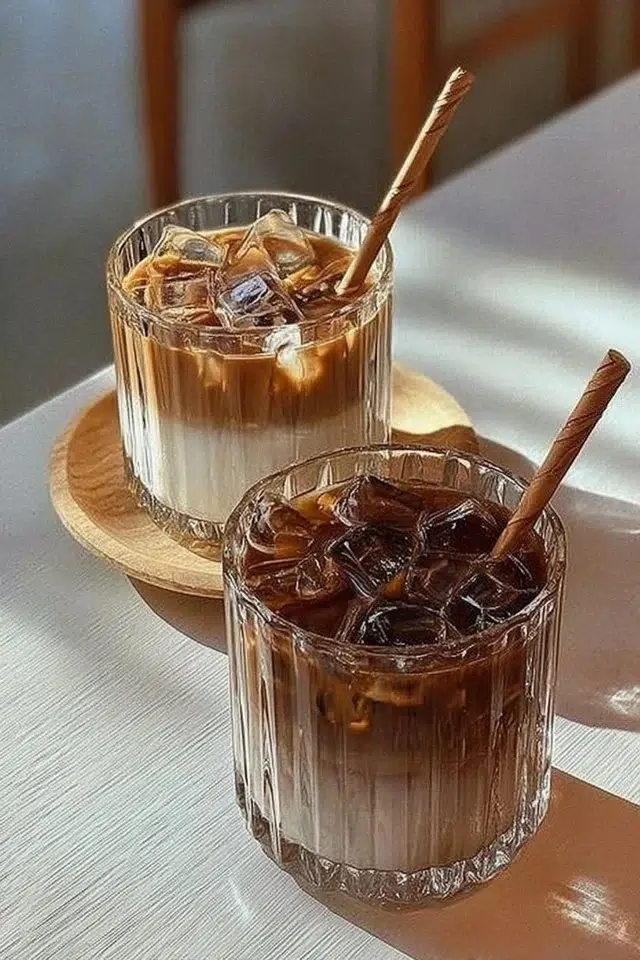
- OPTIONAL: Iced coffee — brew double strength, cool, and pour over ice with milk and sweetener.
- OPTIONAL: Cardamom brew — add a crushed cardamom pod to the grounds for a bright, floral hint.
- OPTIONAL: Milk-forward — froth heated milk and top the coffee for a simple latte-style cup.
- OPTIONAL: Sweetened syrup — dissolve sugar in a small amount of hot water to make simple syrup for even sweetness.
Serving Suggestions
- Serve with a light breakfast: a slice of toast, fresh fruit, or a muffin.
- Pair with sweet pastries or cookies for an afternoon treat.
- Enjoy alongside savory dishes for contrast—eggs or cheese plates work well.
- Offer plain black or let guests add milk and sugar to taste.
- Pour into a thermos for a hot travel cup on the way to work.
- For a cozy snack, serve with a small square of dark chocolate.
Make-Ahead, Storage & Reheating
- Make-ahead: You can brew coffee ahead and refrigerate it for iced coffee later. Brewed hot coffee is best fresh and loses aroma quickly.
- Storage duration: Keep brewed coffee in a sealed container in the refrigerator up to 3–4 days. Flavor declines after the first day.
- Reheating best practices: Reheat gently on the stove over low heat or in a microwave in short bursts. Avoid boiling.
- Texture changes: Reheated coffee will taste flatter and less aromatic. Freshly brewed is always best for full flavor.
Storage and Freezing Instructions
- Refrigeration: Store cooled brewed coffee in a sealed container in the fridge for up to 3–4 days.
- Freezing: Freezing brewed coffee is possible but not recommended; thawed coffee loses much of its aroma and tastes muted. If you freeze, do so in ice cube trays for iced coffee use.
- Tip: Instead of freezing brewed coffee, freeze leftover milk in portions if you want to keep things longer.
Nutrition Facts (Per Serving)
Calories | Protein | Carbs | Fat | Fiber | Sodium
— | —: | —: | —: | —: | —:
5 kcal | 0.3 g | 0.5 g | 0.1 g | 0 g | 5 mg
Estimates vary by brands and portions.
FAQ About Make Coffee at Home
Q: Why does my coffee taste weak?
A: You may be using too little coffee or not steeping long enough. Increase grounds slightly or extend steep time by 30–60 seconds.
Q: Why is my coffee bitter?
A: Over-extraction from too fine a grind, too hot water, or too long a steep can cause bitterness. Use the correct grind, reduce temperature slightly, or shorten steep time.
Q: Can I use boiling water?
A: Water just off boiling (about 200°F) is best. Full rolling boil can scorch the coffee and taste bitter. Let boiling water sit 30 seconds before pouring.
Q: How much coffee should I use?
A: A good starting point is 1 to 2 tablespoons per 6 ounces of water. Adjust to your taste.
Q: Is French press better than a drip maker?
A: Both make good coffee. French press gives more body; drip is cleaner in the cup. Use the method that fits your preference and gear.
Q: Can I use instant coffee grounds instead?
A: Instant coffee is a different product. This recipe expects regular coffee grounds. If you use instant, follow the package directions for water and portion.
Notes
- Use fresh, cool water for the cleanest flavor—minerals and taste in water matter.
- If you like milk warmed, heat it gently—don’t boil.
- Try a small taste before adding milk or sugar so you know how the coffee stands on its own.
- Keep your coffee beans in an airtight container away from light for best storage.
- Adjust the grounds-to-water ratio by small amounts until you find your favorite strength.
Troubleshooting
- Problem: Coffee tastes flat. Fix: Try fresher beans, use slightly hotter water, or clean your equipment.
- Problem: Coffee is too watery. Fix: Add a bit more grounds or shorten the water-to-coffee ratio.
- Problem: Coffee is too strong or bitter. Fix: Use slightly coarser grind or reduce steep time/temperature.
- Problem: Sediment in cup from French press. Fix: Use a coarser grind and press slowly; pour carefully and leave a small amount at the bottom.
- Problem: Coffee cools too fast. Fix: Pre-warm your mug or use an insulated mug or carafe.
Final Thoughts
This simple method makes a dependable cup of coffee you can customize every time. It works with basic tools and common ingredients, and a few small tweaks will let you shape the flavor exactly how you like it. For a deeper look at brewing methods and how they change taste, see What Coffee-Brewing Method Makes the Best-Tasting Cup?.